

Introduction
Wonderstone is a natural rock found in Utah and other desert regions, with key deposits in the Western United States, particularly in Vernon Hills, Utah, and Wonderstone Mountain near Fallon, Nevada. Wonderstone is a stone that has captured hearts and imaginations for years — and for good reason! Just as Burt Wonderstone’s mother gave him a magic set as a child, sparking his lifelong fascination with magic, Wonderstone inspires creativity and wonder in those who encounter it. Wonderstone is primarily collected by rockhounds in these areas, making it a favourite among collectors and enthusiasts.
This guide is designed for collectors, rockhounds, jewelry makers, and anyone curious about Wonderstone’s origins, properties, uses, and cultural significance. Here, you’ll discover what Wonderstone truly is, its remarkable geological and metaphysical properties, its profound meanings, and its life-enhancing benefits. Whether you’re a dedicated collector, enthusiastic rockhound, jewelry enthusiast, or simply curious about this fascinating stone, this comprehensive guide will help you uncover everything you need to know about the world of Wonderstone. Wonderstone is also believed by some to offer a calming energy helpful for meditation, emotional stress, and personal creativity.
Scope of This Guide
In this article, we'll cover:
-
The geological origins and composition of Wonderstone
-
The science behind its stunning patterns
-
Its discovery and history
-
Where Wonderstone is found and collected
-
The main uses and applications of Wonderstone
-
Its value and appeal in jewelry and art
-
Its metaphysical properties and chakra associations
-
Frequently asked questions for collectors and enthusiasts
Why Wonderstone Matters
Wonderstone stands out for its unique properties, uses, and appeal. Its vibrant colours, intricate banding, and fascinating geological story make it a prized material for lapidary work, jewelry, art, and even technical applications. Its accessibility in the American West and its connection to ancient geological and microbial processes add to its allure for collectors and rockhounds.
The Real Science Behind Wonderstone's Stunning Patterns
One of the most fascinating and frequently misunderstood things about Wonderstone is how its mesmerizing bands actually form. For a long time, the banding was attributed entirely to a phenomenon called Liesegang banding — and while that's part of the story, recent geological research has revealed that the full picture is far more extraordinary.
What is Liesegang Banding?
Liesegang rings (or bands) are coloured bands of mineral cement observed in sedimentary rocks, typically cutting across bedding. These secondary diagenetic structures exhibit bands of authigenic minerals arranged in a regular, repeating pattern, and the process thought responsible is called the Ostwald-Liesegang supersaturation-nucleation-depletion cycle. In plain terms: groundwater carrying dissolved iron moves through porous rock, and where oxygen-rich and iron-rich waters meet, the iron precipitates out in rhythmic bands — creating those gorgeous swirling patterns we see in wonderstone.
The Microbe Connection — A Truly Remarkable Discovery
Here's where things get genuinely astonishing. Research published in the journal Astrobiology (Kettler, Loope & Weber, 2015) examined the famous Kanab Wonderstone of the Shinarump Member of the Chinle Formation in southern Utah, and found that the thick bands of iron-oxide cement in wonderstone are not purely a Liesegang phenomenon — they are actually a microbially induced structure. Iron-oxidizing bacteria colonized the boundary between oxygenated groundwaters and iron-rich siderite cement in the rock, and these ancient microbes drove the precipitation of the striking iron-oxide bands.
In other words, the wonderstone pattern is a combination of Liesegang bands and microbially mediated cements — meaning every beautiful piece of wonderstone you hold is, in part, a record of ancient microbial life working within the rock. That's a truly breathtaking thought.
Further research by Mandery confirmed this complexity: the iron in wonderstone's banding was derived from ferrous silicates within the rock itself — specifically from the reductive dissolution of biotite and hornblende — and morphotypes similar to those of iron-oxidizing bacteria were observed in the specimens studied.
Geological Composition of Wonderstone
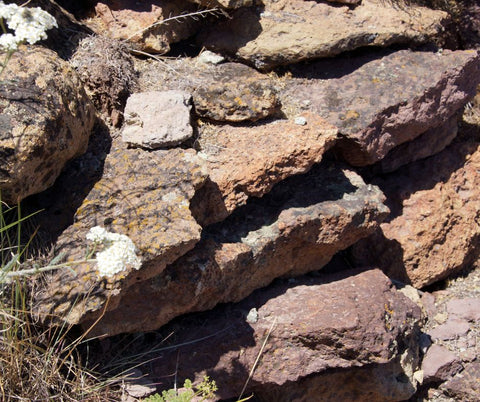
The Vernon Hills wonderstone in Utah is a welded-vitric tuff of rhyolitic composition, composed predominantly of volcanic glass particles that have been welded together by heat and compacted by the weight of overlying material. It is a volcanic rock composed predominantly of volcanic glass particles that have been welded together by heat and compacted by the weight of overlying material. Alteration of the rock by circulating groundwater produced the colourful banding, with maroon and yellow-brown colours due to iron oxides.
Wonderstone is absolutely renowned for its colourful banding and intricate designs, which result from this iron oxide mineralization within the rock. The iron oxides, combined with the present in the rock, give Wonderstone its signature maroon, cream, and yellow-brown colours that collectors treasure.
Wonderstone typically ranks between 5 and 7 on the Mohs scale, indicating it's hard and suitable for cutting and polishing into stunning pieces. The rock is naturally altered by circulating groundwater, which deposits minerals and creates that characteristic patterning over immense stretches of geological time.
As a magnificent form of rhyolite, Wonderstone connects beautifully to the world of volcanic gemstones — explore more treasures in our Mineralogy Hub.
Main Uses of Wonderstone
Wonderstone is used in a variety of ways, making it a versatile and valuable material for collectors, artisans, and industry:
-
Lapidary Work: Wonderstone is commonly shaped, smoothed, and polished for display, cabochons, beads, and decorative objects.
-
Knapping: Certain harder varieties of Wonderstone can be knapped to create arrowheads or sharp tools, making it a favourite among flintknappers and primitive skills enthusiasts.
-
Technical Applications: The pyrophyllite variety of Wonderstone is chemically inert and highly heat-resistant, making it ideal for technical uses such as gas burner tips and welding nozzles.
-
Technical Ceramics: Some forms of Wonderstone from South Africa, a pyrophyllite-rich rock, are used in technical ceramics, such as gas burner tips and electrical insulators. Pyrophyllite Wonderstone is used in technical ceramics for its high heat resistance and insulating properties, including applications in laboratory equipment and industrial components.
Discovery
Wonderstone was first discovered in the Hart Mountain area of Oregon, USA. The name "Wonderstone" is derived from the genuine sense of wonder it inspires, owing to its beautiful patterns and mesmerizing colours. Wonderstone Mountain in Churchill County, Nevada — formally shown as Rainbow Mountain on topographic maps, located roughly 22 kilometres east of Fallon — is one of the most celebrated collecting sites in the United States.
The Naming Complexity You Should Know About
It's worth noting that "Wonderstone" is actually a trade and collector name, not a single mineralogical classification. Geological sources classify the material quite differently depending on location — some as a rhyolite, some as a jasper or chalcedony, and one geological publication classifies material from Utah as a ferruginous sedimentary rock with a high original siderite component and strong Liesegang banding. This variety is part of what makes Wonderstone so endlessly fascinating to collectors and researchers alike.
History and Mining of Wonderstone
Explore the Wonderstone of Utah — a magical pursuit as enchanting as a well-executed magic trick, full of surprise, delight, and that perfect touch of mystery you’ve been searching for. Much like the street magicians in “The Incredible Burt Wonderstone” who captivate audiences with their talent and flair (think showmanship meets artistry), early rockhounds in the Western United States discovered the absolute thrill of finding these unique rocks scattered across BLM land. Whether you’re a seasoned collector, a weekend adventurer, or someone seeking that perfect hands-on creative experience, the excitement of unearthing small pieces of Wonderstone — each with its own mesmerizing patterns — has long been a source of pure fun and deep satisfaction for collectors and creators alike.
Just as magicians sometimes ‘save’ a trick at the last moment to impress their audience, the thrill of uncovering Wonderstone often comes from those unexpected moments when skill and timing turn a simple dig into a magical discovery. And just as a magician might miss a trick or use props like hard candy to create illusions, rockhounds sometimes experience both near-misses and delightful surprises during their search for Wonderstone.
Mining Wonderstone is your hands-on adventure — reminiscent of the creativity and showmanship seen in the movie’s cast. Picture Steve Gray (played by Jim Carrey) pushing the boundaries of what’s possible, or Tyler Mitchell appreciating the beauty in every single act. You’ll venture into the Utah hills, hammer in hand, eager to find that perfect piece of material to transform into a stunning work of art or a cherished addition to your collection (because let’s be honest, who doesn’t love a good treasure hunt?). Each discovery feels like a magic trick revealed — a secret unearthed from the earth itself, and you’re the magician making it happen.
Utah, with its rich deposits of Wonderstone, is absolutely the hotspot for this magical pursuit you’ve been looking for. Here, the Bureau of Land Management (BLM) plays a crucial role in ensuring responsible, sustainable collection by protecting these natural treasures for future generations. There are specific legal guidelines regarding how much rock can be collected from BLM land.
Just as Burt Wonderstone’s journey in the movie is about rediscovering the true magic of his craft, you’re encouraged to respect the land and follow guidelines that preserve these wonders for others to experience. The BLM’s oversight helps maintain that delicate balance between enjoying the thrill of the hunt and ensuring the magic continues (and trust us, that’s exactly where you want to be).
Wonderstone and Rockhounding Culture
The history of Wonderstone mining is deeply intertwined with the broader story of rock collecting in the American West — a hobby that has brought joy, creativity, and genuine connection to the earth for countless enthusiasts just like you. Whether you’re inspired by the humour, funny moments, and heart of Burt Wonderstone, the daring of Steve Gray, or the appreciation for beauty shown by Tyler Mitchell, there’s a bit of real magic in every piece of Wonderstone you find. It’s a reminder that, much like in the movies, the true wonder comes from the journey, the talent to create, and the pure joy of sharing something truly special with others — and that’s exactly what this incredible pursuit is all about.
Is Wonderstone a Type of Jasper?
Wonderstone is often thought to be a jasper, but it's not a true jasper — and that makes it even more special! It's a welded-vitric tuff with a rhyolitic composition that tells its own unique geological story. Wonderstone can be found in various colours and patterns, including spectacular colourful banding and absolutely unique designs that make each piece a treasure.
The Two Very Different Wonderstones: Rhyolite vs. Pyrophyllite
This is one of the most important distinctions a Wonderstone lover can make — because the "Wonderstone" sold by South African sculptors is an entirely different material from the American rockhound's favourite.
American Wonderstone (Rhyolite/Tuff)
The wonderstone most familiar to jewellery lovers and lapidary artists in North America is the banded volcanic tuff described throughout this article — primarily sourced from Utah and Nevada, ranging 5–7 on the Mohs scale, and celebrated for its swirling iron-oxide patterning in shades of maroon, cream, yellow-brown, and red.
South African Wonderstone (Pyrophyllite)
In South Africa, major deposits of pyrophyllite occur in the Ottosdal region, where it is mined for the production of a variety of manufactured goods, and blocks are quarried and marketed as "Wonderstone" for carving sculptures.
South African Wonderstone, also called "koranna stone," is a dark gray stone composed of about 86% pyrophyllite — a distinct aluminum silicate mineral. When polished and finished, it takes on a charcoal black colour that can be buffed to a high lustre, and it has a wide range of applications, including art sculpture, moulds for casting, woodstove heat sinks, bookends, and smoking pipes.
South African pyrophyllite Wonderstone is particularly prized for its thermal and electrical insulation properties and can be held to tighter dimensional tolerances than almost any other ceramic body that is not ground after firing. Remarkably, it has also been used as a container for the reaction constituents in the synthesis of industrial diamonds — a truly extraordinary industrial application for a stone beloved by artists and crystal enthusiasts alike.
So when you see "Wonderstone" for sale, it's always worth confirming which type you're purchasing, as they are geologically and aesthetically very different materials.
Where is Wonderstone From?
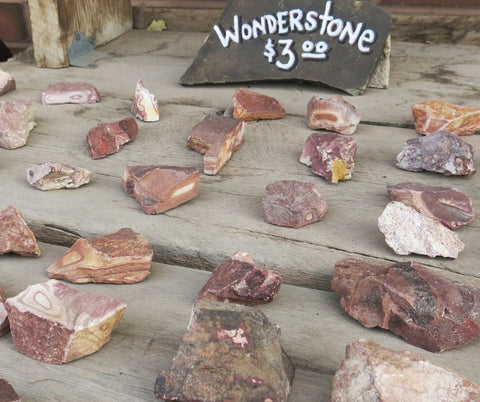
Wonderstone, a variety of rhyolite tuff, is primarily associated with Utah and Nevada in the United States — true geological gems of the American Southwest. Wonderstone is a natural rock found in Utah and other desert regions, with key deposits in the Western United States, particularly in Vernon Hills, Utah, and Wonderstone Mountain near Fallon, Nevada. Wonderstone is primarily collected by rockhounds in these areas.
If you are planning to visit the Wonderstone Quarry near Vernon, Utah, you can find detailed directions using Google Maps or other navigation tools. It's helpful to check directions before your trip to ensure easy access to the site.
Utah Wonderstone
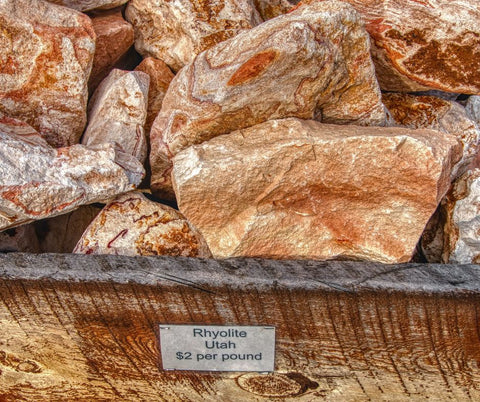
Utah Wonderstone is primarily found in the Vernon Hills of Tooele County, particularly near the town of Vernon. It is a more porous variety of Rhyolite. Utah's Wonderstone typically features stunning bands of earthy tones, including rich shades of red, brown, cream, and green, often beautifully swirled or marbled together. It's known for its ability to take a brilliant high polish, which magnificently enhances its beauty when used in jewellery pieces.
The Wonderstone Quarry is located a few miles south of Vernon, Utah. Piles of wonderstone can be found near the end of the road in the Vernon Hills area, though collectors should be careful to avoid any marked mining claims and bring a rock hammer, protective eyewear, a hat, and plenty of water.
Nevada Wonderstone
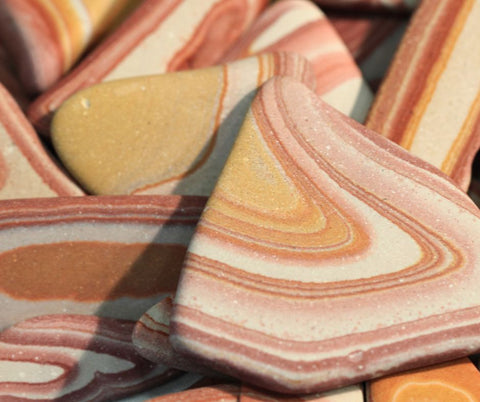
Near the top of Sehoo Mountain in Churchill County, Nevada, an ancient ash fall consolidated into a very fine-grained tuff, which was then silicified — possibly by hot spring waters — to form a non-porphyritic rhyolite. The rock is altered by hot water, which deposits minerals such as pyrite and quartz. During this alteration process, the rock developed very colourful patterns of swirls and bands and has been used by lapidaries for many decades.
Nevada Wonderstone tends to have a more vibrant colour palette than its Utah counterpart, often featuring red, pink, orange, and yellow hues, making it visually striking and highly sought-after. Erosion breaks pieces of Wonderstone from its outcrop, allowing for collection. In Nevada, Wonderstone can be found in rhyolite lava flows and sandstones.
Other Global Locations
While Utah and Nevada are the heartland of American Wonderstone, rhyolite with similar characteristics can be found in Mexico (particularly Chihuahua), Australia, and Argentina's Patagonia region. And of course, South Africa's Ottosdal region supplies the world's pyrophyllite Wonderstone in great abundance.
Are Utah and Nevada Wonderstones the Same?
Utah and Nevada Wonderstones are delightfully different, yet they share some wonderful similarities. Both are rhyolite-family rocks celebrated for their attractive patterns and colours, and both are incredibly popular for lapidary work and jewellery design. However, they can be distinguished by their distinct colours and patterns: Utah specimens tend toward earthy swirls of red, brown, and green, while Nevada material often displays brighter, more vivid hues of orange, pink, and yellow.
Wonderstone in Jewellery and Art
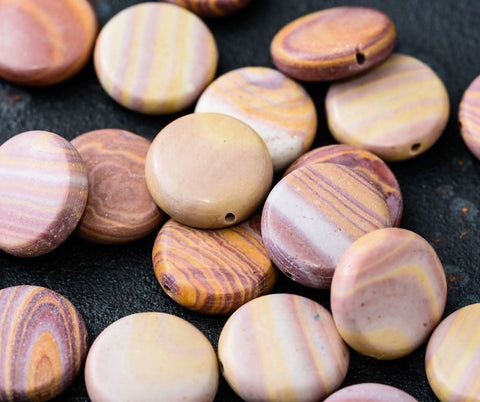
Wonderstone is a beloved material for jewellery and art due to its unique coloration and stunning patterns. It is prized for its picturesque bands of red and orange iron oxides and hydroxides, as well as its beautiful layered red-and-white stone with sharply contrasting rings. Utah Wonderstone is especially known for its intricately folded bands that create colourful designs, and is appreciated for its vibrant colours and intricate patterns, making it a popular choice among artisans and jewelry makers.
Wonderstone is often used in handmade jewelry for its unique, beautiful layered patterns. The unique properties of Wonderstone, such as its layered appearance, contribute to its artistic value in jewelry design. Wonderstone can be polished to a very nice matte finish, further enhancing its appeal in both jewelry and decorative art pieces.
Talented artisans create truly unique jewellery and art pieces from Wonderstone, beautifully showcasing its natural beauty and geological heritage. It's often used alongside other treasured stones such as chalcedony, agate, pyrite, mookaite jasper, fluorite, calcite, and dolomite — creating meaningful combinations that tell nature's own story.
Wonderstone absolutely shines in our Resilient Lynx Bracelet Set — a perfect example of artisan craftsmanship and thoughtful, sustainable design.
Wonderstone Types: A Quick Visual Reference for Collecting
There's more variety within the world of Wonderstone than many collectors realize. Some of the most beloved types include:
-
Rainbow Wonderstone: Displays vibrant and diverse colours — often striking bands of red, yellow, green, and brown — and is prized for its rich, layered visual effects in decorative objects.
-
Picture Wonderstone: Characterized by intricate patterns and designs resembling landscapes, clouds, or other natural scenes, formed by the layering of minerals within the rock. Each polished piece can look like a tiny landscape painting.
-
Red Wonderstone: Features predominantly red and warm orange hues, is valued for its earthy warmth, and is frequently used in decorative carvings and jewellery.
-
White Wonderstone: The rarest of the varieties, featuring light-coloured, often creamy or off-white tones with subtle banding — elegant in its simplicity.
Metaphysical Properties of Wonderstone
Wonderstone is believed to have various wonderful metaphysical properties, including promoting creativity, enhancing communication, and aiding in emotional healing from depression and anxiety. It's also said to have grounding and protective properties against negative energies, making it a treasured stone for meditation and meaningful spiritual practices.
Wonderstone is thought to help a person ground their energy and maintain emotional stability, which can be especially beneficial for those seeking to balance their mood or mindfully manage stress. Wonderstone is marketed in spiritual circles as a 'stone of transformation' or 'grounding stone' and is believed to help with relaxation and emotional stability.
It's worth noting that these claims are not scientifically proven.
What Chakra is Associated with Wonderstone?
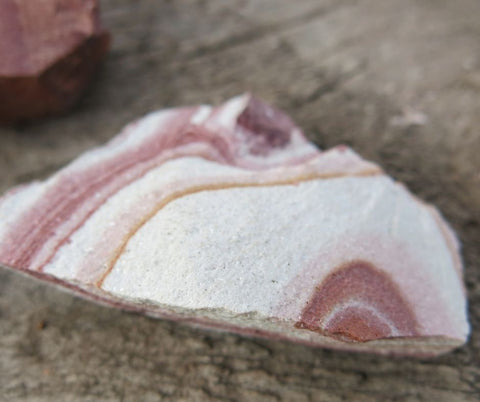
The chakra association for Wonderstone can vary by source and tradition, but it's most commonly linked to the Root and Solar Plexus chakras.
Root Chakra (Muladhara): The grounding Root chakra is associated with stability and a deep sense of security. Wonderstone's earthy colours and grounding energy are often thought to resonate with this chakra, helping individuals feel more connected to the physical world and promoting a wonderful sense of safety and stability.
Solar Plexus Chakra (Manipura): The empowering Solar Plexus chakra is linked to personal power, confidence, and healthy self-esteem. Some practitioners believe that Wonderstone's vibrant and varied colours can stimulate the Solar Plexus chakra, helping boost self-confidence and a meaningful sense of empowerment.
Rocks and Stones Similar to Wonderstone
Wonderstone's distinctive appearance, with its swirled or banded patterns in earthy colours, can make it quite unique. While there are no exact substitutes for Wonderstone, there are other stones that share visual similarities:
1. Rhyolite: Rhyolite is the parent rock of Wonderstone, and it can exhibit patterns and colours somewhat similar to Wonderstone. Depending on the specific source, rhyolite can have various colours and patterns, making it a good choice for jewelry designers.
2. Jasper: Certain types of jasper, such as picture jasper or ocean jasper, can feature swirling patterns and earthy colours. These can resemble Wonderstone's appearance.
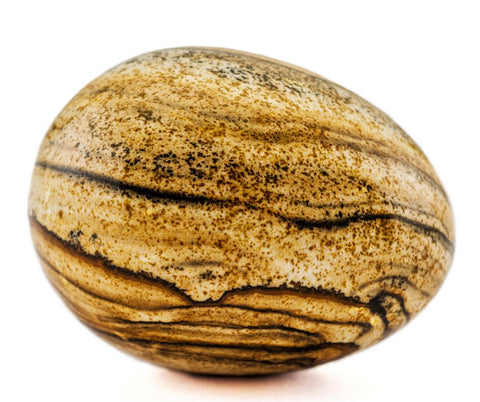
3. Serpentine: Serpentine is another stone that can have banded patterns and comes in various colours, including greens, browns, and reds. It may not mimic Wonderstone exactly, but it offers its own gorgeous patterns and unique appeal.
4. Agate: Some types of agate, like crazy lace agate or moss agate, exhibit intricate patterns and colours that might remind you of Wonderstone. Agates are often used in jewelry due to their beauty and variety.
5. Petrified Wood: Petrified wood can have a similar earthy and banded appearance. It's a unique and beautiful material for jewelry, especially if you're drawn to nature and natural elements.
6. Brecciated Jasper: This type of jasper is characterized by its fragmented appearance, often featuring swirling patterns and earthy colours. It can be an attractive alternative to Wonderstone.
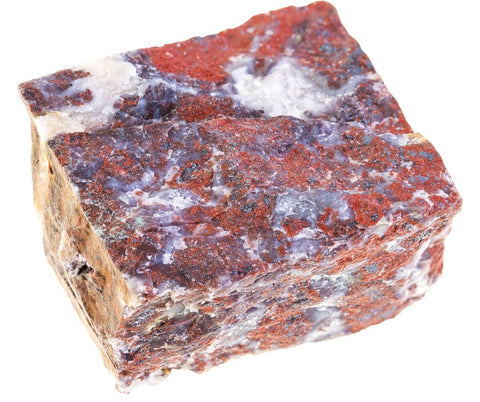
While these stones may resemble Wonderstone to some extent, each has its own distinct qualities.
Want to browse other unique crystals? Visit our A–Z Gemstone Directory
Wonderstone in Pop Culture
The Incredible Burt Wonderstone is a 2013 American comedy film directed by Don Scardino, released on March 15, 2013, and premiered as the opening film of the SXSW festival on March 8, 2013. The film features a cast that includes Steve Carell, Steve Buscemi, Jim Carrey, Alan Arkin, and Olivia Wilde. The film follows Las Vegas magician Burt Wonderstone as he attempts to reunite with his former partner, Anton Marvelton, to take on the street magician Steve Gray, centring on Burt's journey to rediscover the true magic of his craft after facing challenges from a new generation of magicians. Burt Wonderstone is portrayed as an egocentric magician who must adapt to the changing landscape of magic entertainment. The film's humour is described as a mix of dark comedy and family-friendly elements, leading to an uneven tone. Reviews generally praised Jim Carrey's and Alan Arkin's performances but criticized the plot's inconsistent tone and predictability, with Rotten Tomatoes noting it serves up some goofy laughs but is surprisingly safe and predictable. The film earned over $27 million against a production budget of $30 million, making it one of Hollywood's biggest box office bombs of 2013. The film's script underwent many changes during development, with approximately 15 drafts written over a three-and-a-half-year period. David Copperfield served as a technical advisor for the film, developing a live stage illusion for the climax. The film was shot on location in Las Vegas to lend authenticity to the story's setting. Following its release, The Incredible Burt Wonderstone continued to be discussed and shown in July at various screenings and on home media platforms.
Wonderstone isn’t just a geological marvel—it’s also a star in the world of pop culture, captivating audiences far beyond the realm of rockhounds and collectors. The natural rock found in Utah and other desert regions has inspired filmmakers, artists, and jewelry designers alike, thanks to its magical patterns and vibrant colours.
Perhaps the most famous pop culture nod comes from the 2013 comedy film “The Incredible Burt Wonderstone.” In this movie, Steve Carell plays Burt Wonderstone, a Las Vegas magician whose world of illusion and showmanship is shaken up by the edgy street magician Steve Gray, portrayed by Jim Carrey. The film’s story, filled with dazzling tricks and larger-than-life personalities like Anton Marvelton, mirrors the sense of awe and creativity that Wonderstone itself inspires. Just as Burt and his fellow magicians strive to rekindle real magic and connection with their audiences, Wonderstone’s swirling bands and earthy hues evoke a sense of wonder and the beauty of the natural world.
Beyond the silver screen, Wonderstone’s unique appearance has made it a favourite in jewelry and decorative arts. Designers are drawn to its intricate patterns, using it to create pieces that celebrate creativity, illusion, and the magic found in nature. Whether showcased in a statement pendant or a carefully crafted bracelet, Wonderstone jewelry brings a touch of the extraordinary to everyday life—reminding us of the world’s hidden wonders.
From movie scenes to artisan studios, Wonderstone continues to enchant and inspire, symbolizing the enduring connection between creativity, magic, and the natural world. It’s no wonder that this remarkable rock has become a cultural icon, beloved by audiences and creators alike.
Conservation and Sustainability of Wonderstone
As the popularity of Wonderstone grows among collectors and jewelry makers, it’s more important than ever to ensure that this common legal hobby remains sustainable and respectful of the environment. The Wonderstone Quarry, located just miles south of Vernon, Utah, is a prime destination for rockhounds eager to add this natural marvel to their collection. However, with increased interest comes the responsibility to protect these unique sites for future generations.
On public lands—including BLM land, forest lands, and other federal lands—collecting rocks like Wonderstone is allowed, but only when done in accordance with established rules and guidelines. The Bureau of Land Management (BLM) encourages visitors to take only small pieces, leaving plenty behind for others and for the continued health of the ecosystem. Practicing “leave no trace” principles is essential: be careful not to disturb the ground more than necessary, avoid damaging surrounding rocks and plants, and always pack out what you bring in.
Mining and collecting Wonderstone should be approached with mindfulness, recognizing the delicate balance between enjoying this magical hobby and preserving the land’s natural beauty. By following the rules at the quarry and on other federal lands, rockhounds help ensure that the magic of Wonderstone remains accessible to all. As Tyler Mitchell from the movie reminds us, the real magic lies in our connection to the world around us and the care we show for it.
Supporting responsible mining practices and being a careful steward of the land not only protects the environment but also honours the spirit of creativity and wonder that makes Wonderstone so special. By prioritizing conservation and sustainability, we can keep the enchantment alive—ensuring that this remarkable rock continues to inspire awe, creativity, and connection for generations to come.
Frequently Asked Questions about Wonderstone
Is Wonderstone a Rhyolite?
Most American Wonderstone is best described as a welded-vitric tuff of rhyolitic composition — meaning it's technically closer to a volcanic tuff than pure rhyolite, though the two terms are often used interchangeably in the collector market. South African Wonderstone, by contrast, is a pyrophyllite — a completely different mineral entirely.
What makes Wonderstone's banding patterns?
The banding in Wonderstone results from iron oxide mineralization within the rock, formed by groundwater interactions over millions of years. Fascinatingly, recent scientific research has confirmed that ancient iron-oxidizing bacteria played a significant role in creating some of these bands — making each piece of wonderstone a microscopic fossil record of ancient microbial life.
What are the uses of Wonderstone in collecting?
Wonderstone is treasured for decorative purposes due to its unique banding and wave-like markings. Its uses include:
-
Making beautiful jewellery, beads, and other meaningful ornamental objects
-
Lapidary work, which can be polished to a brilliant high shine that showcases its natural beauty
-
The South African pyrophyllite variety is used for sculpture, industrial components, and even as a gasket material in high-pressure laboratory experiments
-
Collectors often gather Wonderstone at the quarry using buckets to collect and transport their finds
-
A pair of Wonderstone specimens is often sold or displayed together to highlight their complementary patterns and colours
What are the benefits of Wonderstone?
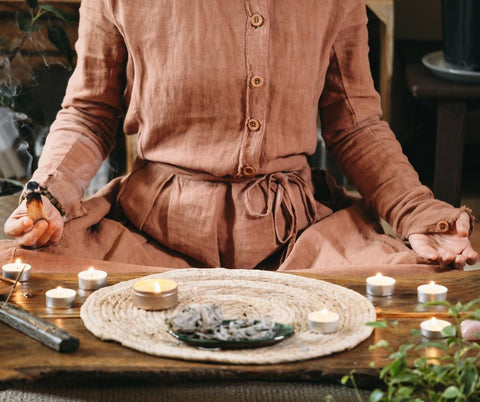
Wonderstone is believed to have grounding and stabilizing properties. Its benefits are said to include:
-
Promoting inner peace and tranquillity
-
Gently alleviating depression
-
Meaningfully supporting emotional healing
-
Stimulating creativity and imagination, making it a popular choice for artists and writers seeking inspiration
As always, there is no scientific evidence to support these claims.
Is Wonderstone safe to handle?
Polished Wonderstone cabochons and jewellery are perfectly safe to handle and wear. If you're working with raw material and cutting or grinding it, standard lapidary dust precautions apply — a wet cutting environment and appropriate respiratory protection are always recommended when working with any stone material.
Is it legal to collect Wonderstone and go rockhounding?
Rockhounding is a common legal hobby in the Western U.S. and is regulated on public lands. Collecting Wonderstone and other minerals is allowed on U.S. Forest lands and some other federal lands, but it is illegal in National Parks. Always check local regulations before collecting to ensure you are following the rules for the specific area.
Conclusion and Final Thoughts
Wonderstone is more than just a natural rock found in the deserts of Utah and Nevada—it’s a symbol of creativity, connection, and the real magic that exists in the world around us. From its mesmerizing patterns formed by ancient geological and microbial processes to its starring role in the collections of rockhounds and jewelry makers, Wonderstone’s story is one of discovery, artistry, and inspiration.
The Wonderstone Quarry, located just miles south of Vernon, Utah, stands as a testament to the enduring appeal of this unique material. Here, collectors and enthusiasts gather to experience the thrill of finding their own piece of Wonderstone, each rock a small act of magic waiting to be revealed. As a common legal hobby, rock collecting on public lands—including BLM land and forest lands—offers everyone the chance to participate in this tradition, provided we follow the rules and respect the environment. Being careful with the ground, taking only what we need, and leaving the quarry as beautiful as we found it ensures that future generations can share in the wonder.
Wonderstone’s journey from the ground to the jewelry bench is a story of transformation—much like the illusions performed by magicians like Burt Wonderstone and Steve Gray in the movie “The Incredible Burt Wonderstone.” Whether you’re inspired by the artistry of magicians, the creativity of jewelry designers, or the peaceful connection found in yoga and nature, Wonderstone invites us all to create, collect, and connect. Its use in jewelry and decorative objects highlights its versatility and enduring beauty, making it a cherished material in both industry and art.
As Tyler Mitchell reminds us, the real magic lies not just in the act of collecting rocks, but in the sense of connection and creativity it brings to our lives. The history of Wonderstone—from its discovery to its role in pop culture and industry—shows how a single natural rock can inspire millions, spark creativity, and foster a deeper appreciation for the world we share.
So whether you’re planning your next visit to the Wonderstone Quarry, adding a new piece to your collection, or simply pausing to admire the beauty of a polished stone, remember that you’re part of a story that spans geology, history, and human imagination. By honouring the rules, respecting public lands, and nurturing our connection to the earth, we help preserve the peace, satisfaction, and wonder that Wonderstone brings.
In the end, Wonderstone is a reminder that magic is real—not just in the illusions of the stage, but in the rocks beneath our feet, the creativity in our hands, and the connections we forge with the world and each other. Let’s continue to celebrate, protect, and be inspired by this remarkable natural treasure for generations to come.


