

Introduction to Moissanite as a Diamond Alternative
More Canadians than ever are choosing moissanite for their engagement rings and fine jewellery — and for good reason. This lab-created gemstone delivers stunning brilliance that rivals natural diamonds while aligning with the values of sustainability and ethical sourcing. While “moissanite diamonds” is a popular search term, it’s worth noting that moissanite is its own distinct precious stone, not a diamond at all. Moissanite was originally discovered in mineral form as silicon carbide, a naturally occurring mineral found in meteorites, though it is extremely rare in nature. Throughout this article, we’ll use this shorthand to describe moissanite used in diamond-style settings.
This guide is for Canadians considering moissanite as an alternative to traditional diamonds for engagement rings and fine jewelry. We’ll cover moissanite’s origins, performance, ethical advantages, appearance, cost, care, and how to choose the right stone.
Moissanite is a popular alternative to traditional diamonds, known for its brilliance, durability, and affordability. Moissanite is not a diamond; it is composed of silicon carbide, whereas diamonds are composed of pure carbon. Today, moissanite is created in laboratories, which allows for consistent quality and high clarity. In contrast, natural gemstones form under unpredictable conditions, often resulting in inclusions and variations in clarity.
What makes moissanite so appealing? It offers superior fire, excellent hardness for daily wear, and complete traceability — all while avoiding the environmental and social concerns associated with diamond mining in regions such as Botswana, Russia, and the Democratic Republic of the Congo. For Canadian couples balancing aesthetics with responsibility, moissanite represents a smart, modern choice that doesn’t compromise on sparkle.
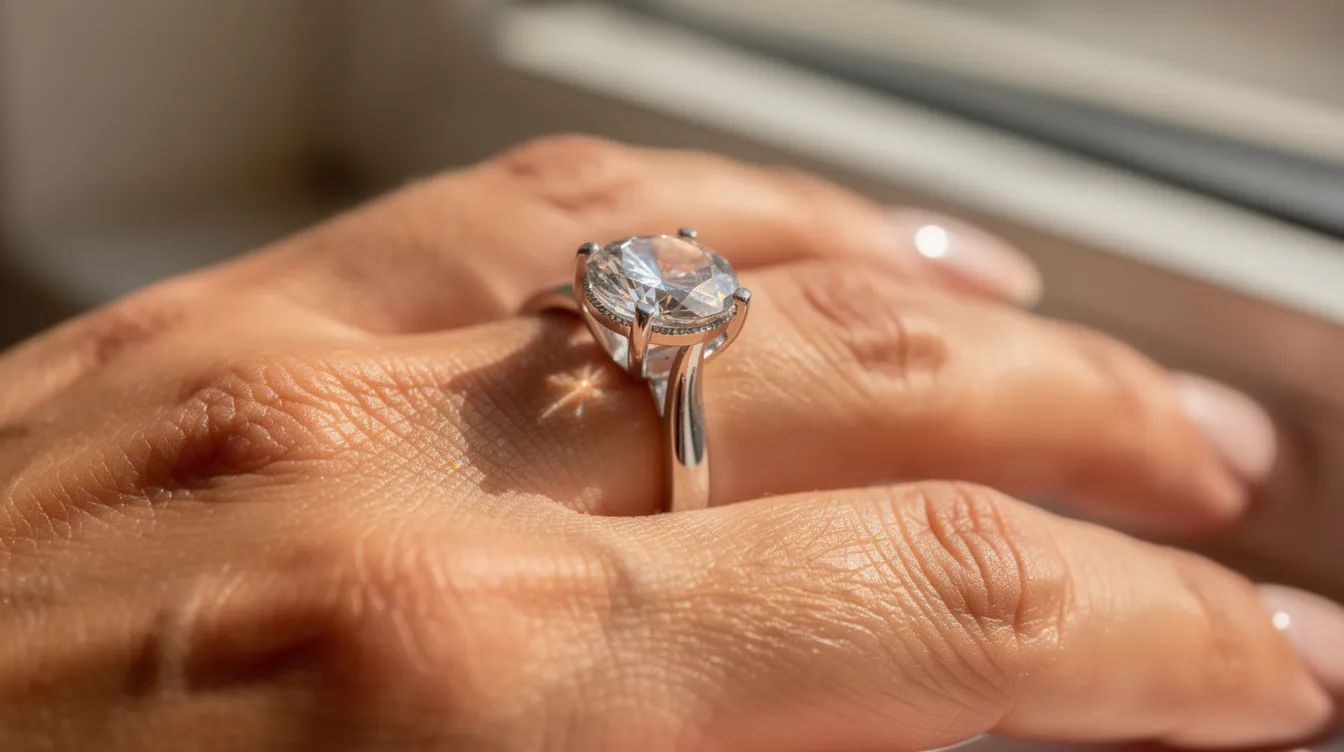
What Is Moissanite? From Meteorites to Modern Jewellery
In 1893, French chemist Henri Moissan made a remarkable discovery while examining samples from a meteorite crater in Arizona. He found glittering crystals he initially mistook for diamonds — but they were something entirely different.
Moissanite is made of silicon carbide, while diamonds are composed of pure carbon. Natural moissanite is extremely rare, found only in trace amounts in meteorites and certain mantle rocks — making it one of the rarest naturally occurring minerals on Earth. Because natural form specimens are far too scarce for jewellery, all moissanite stones you’ll find today are lab-grown, and their durability puts them among the best gemstones for everyday wear.
Modern production involves controlled high-temperature growth processes where silicon and carbon precursors are heated above 2,000°C in specialized furnaces. The resulting crystals are then precision-cut and polished using techniques similar to those used for diamond faceting. Since commercialization in the late 1990s, moissanite has become one of North America’s most beloved diamond alternatives.
Moissanite vs Diamonds: Performance, Sparkle, and Everyday Wear
When it comes to engagement rings, moissanite matches or exceeds diamonds in nearly every performance category that matters. From scratch resistance to light performance, this gemstone delivers exceptional quality for Canadian lifestyles.
Hardness and Durability
On the Mohs hardness scale, diamonds rank a perfect 10 while moissanite scores approximately 9.25–9.5. Moissanite has a hardness just below that of diamond, making it suitable for everyday wear. This makes moissanite harder than sapphires, rubies, and virtually all other gemstones used in fine jewellery. For daily wear through harsh Canadian winters and active outdoor lifestyles, moissanite remains remarkably resilient.
Brilliance and Fire
Here’s where things get exciting. Moissanite exhibits a higher refractive index (approximately 2.64–2.69) compared to diamond’s 2.42, resulting in exceptional white light return. Even more striking is its dispersion — about 0.104 versus diamond’s 0.044 — creating those signature rainbow flashes that catch the eye under indoor lighting. Moissanite has over 2.5 times the fire (dispersion) of a diamond, resulting in vibrant rainbow flashes of light. Many describe the effect as a lively “disco ball” sparkle that moissanite displays beautifully.
At a Glance Comparison
Unlike diamonds, moissanite offers more fire at a fraction of the cost. Here’s how they stack up:
| Property | Moissanite | Diamond |
|---|---|---|
| Hardness (Mohs Scale) | 9.25–9.5 | 10 |
| Refractive Index | 2.64–2.69 | 2.42 |
| Dispersion (Fire) | 0.104 | 0.044 |
| Approximate Price (1ct) | $500–800 CAD | $5,000+ CAD |
While gemologists can distinguish moissanite using specialized testers that detect double refraction and thermal conductivity, the naked eye cannot tell the difference in real-life settings.
Ethical and Environmental Advantages of Moissanite
Canadian millennials and Gen Z are driving demand for sustainable, conflict-free jewellery — with surveys showing that over 70% of young consumers prefer ethical gems and seek broader guidance from dedicated ethical gemstone and sustainability resources. Moissanite meets this moment perfectly.
Environmental Benefits
Traditional diamond mining creates significant environmental disruption:
-
Habitat destruction from open-pit operations
-
High water consumption (up to 250,000 litres per carat in some operations)
-
Carbon-intensive blasting and excavation
-
Toxic tailings and land disturbance
Lab-grown moissanite, by contrast, offers minimal environmental impact. Production happens in controlled facilities with no large-scale excavation required, substantially lower greenhouse gas emissions, and full traceability from crystal synthesis to finished stone.
Social Responsibility
Beyond environmental concerns, moissanite sidesteps the complex human rights issues that persist in some diamond-producing regions. Unlike the opaque supply chains that route through cutting centres in Surat and Antwerp, moissanite’s lab-based production enables transparent sourcing with enforceable labour standards, aligning closely with the core principles of what makes a gemstone ethical.
For Canadians who value both beauty and responsibility, moissanite provides an ethical path without compromising the diamond aesthetic.

Colour, Clarity, and Cut: How Moissanite “Diamonds” Look
Moissanite is graded on a unique colour scale known as the Moissanite Colour Chart, which ranges from D (colourless) to K (light yellow or brown). D represents the highest grade on this colour scale, indicating a completely colourless stone, while K is the lowest grade, showing noticeable colour. Understanding the Moissanite Colour Chart is crucial because it directly affects both the value and appearance of the gemstone.
Like natural diamonds, moissanite is evaluated by colour, clarity, and cut — though the grading systems differ slightly. For colour, the Moissanite Colour Chart is the standard grading system used to assess moissanite colour. Understanding these factors helps you choose a stone that suits your vision.
Colour Options
Modern moissanite is typically found in the colourless range or near colourless range, but can also be created in almost any colour:
-
Colourless Range (D-E-F Range, D-F equivalent): Stones in the D-E-F range are considered colourless and typically resemble high-grade diamonds. D Colour represents absolute zero on the colour spectrum, indicating a completely colourless stone with an icy white appearance, ideal for white gold or platinum.
-
Near Colourless (G-I equivalent): These stones are graded as near colourless, showing only a subtle warmth that pairs beautifully with yellow or rose gold. Near colourless moissanite closely resembles higher-quality, colourless stones while offering a slightly more affordable option.
-
Fancy Colours: Moissanite can be created in hues of teal, grey, green, yellow, and black, as well as fancy colours like yellow and blue, providing a variety of options for consumers.
The differences between each grade in the Moissanite Colour Chart are often subtle and can be difficult to distinguish with the naked eye. In larger stones, you may notice very faint warmth due to trace elements — but this is rarely detectable to casual observers. Moissanite's unique colour range gives buyers the opportunity to choose a gemstone that suits their preferences and desired appearance. The colourless range remains most popular for those seeking that classic diamond look.
In terms of clarity, high-clarity moissanite will appear as a brilliant, colourless stone, maximizing its sparkle and appeal.
Clarity and Cut
Lab-grown moissanite typically achieves VS–VVS clarity, meaning any inclusions are invisible without magnification. The result is a colourless stone that appears eye-clean in any setting.
Cut determines how well moissanite performs its optical magic. Round brilliants maximize that signature fire through 58 precisely angled facets. Oval and pear shapes offer finger-flattering elegance with slightly subdued rainbow-like flashes. Step cuts like emerald and Asscher deliver sophisticated, mirror-like scintillation for those who prefer refined sparkle over dramatic fire.
Moissanite as an Ethical Replacement for Diamonds in Engagement Rings
Choosing an engagement ring is deeply emotional — a symbol of commitment meant to last a lifetime. For many Canadian couples, that symbolism extends beyond beauty to include the values the ring represents.
Moissanite engagement rings deliver the same visual impact as diamond rings in beloved designs:
-
Classic solitaires
-
Romantic halos
-
Elegant three-stone settings
A 1.5-carat-equivalent round moissanite in a 14K white gold solitaire offers a breathtaking presence at a fraction of diamond pricing — freeing up budget for priorities like a Toronto down payment or honeymoon travel.
Built for Canadian Life
Durability matters when you’re wearing a ring year-round through Canadian winters. Moissanite resists:
-
Thermal shock up to 500°C
-
Household chemicals
-
Daily scratches and impacts
High-quality moissanite will not cloud, yellow, or lose brilliance over decades. As your center stone, it’s built to remain beautiful as your love story unfolds.
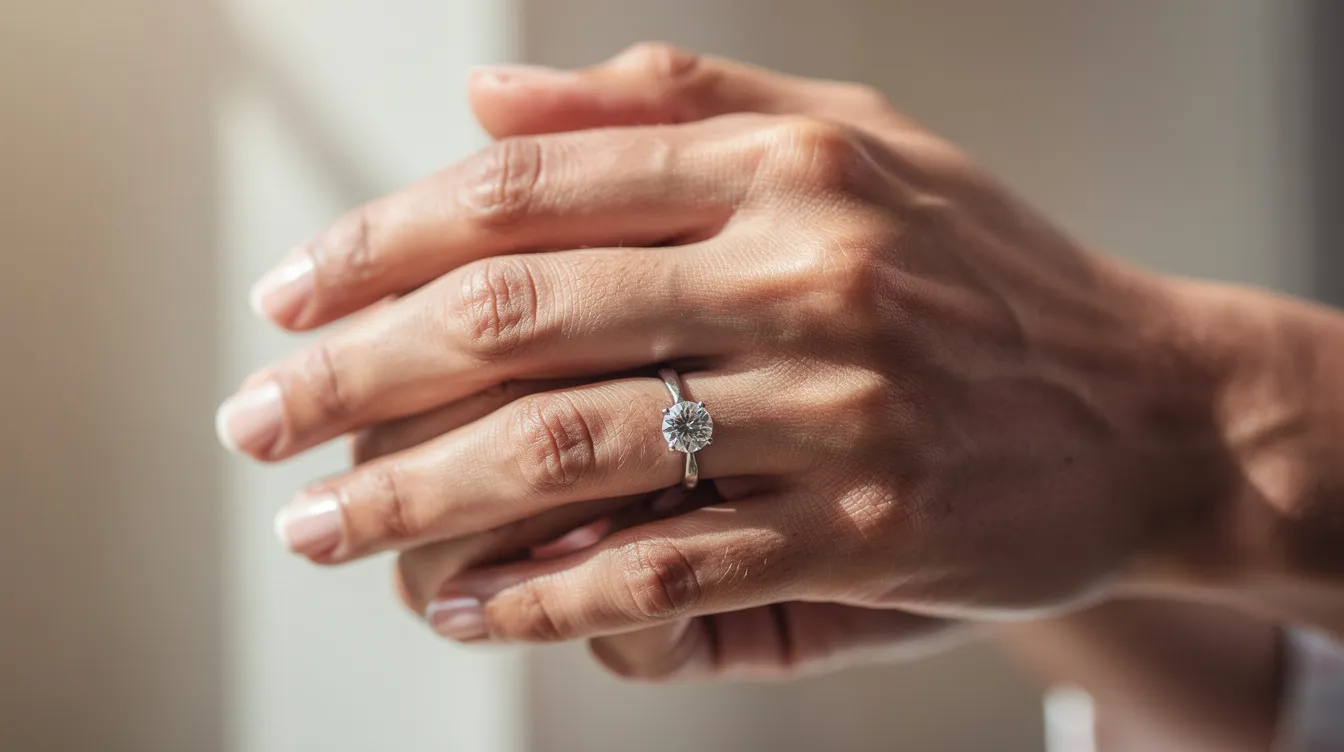
Lab Grown Gemstones: The Bigger Picture of Ethical Luxury
Lab-grown gemstones have ushered in a new era of ethical luxury in the jewelry market, offering consumers a way to enjoy stunning, high-performance pieces without the environmental and social concerns tied to natural diamonds. Among these innovative stones, moissanite jewelry stands out for its exceptional quality, dazzling brilliance, and responsible origins, while other lesser-known options, such as andalusite gemstones, offer unique colour effects for distinctive designs.
Crafted from silicon carbide, moissanite stones are engineered in state-of-the-art laboratories, allowing for precise control over clarity, color, and size. Unlike diamonds, which are mined from the earth and often linked to habitat destruction and conflict, lab created moissanite offers a minimal environmental impact and complete peace of mind. In its natural form, moissanite is extremely rare—found only in trace amounts in meteorites—making lab-grown options the perfect gemstone for those who value both rarity and sustainability.
Moissanite’s optical properties set it apart from other gemstones. As a colourless moissanite, it boasts a higher refractive index than both natural diamonds and cubic zirconia, resulting in more fire, greater brilliance, and vibrant rainbow-like flashes that catch the eye in any light. Moissanite displays its own unique characteristics, including a dispersion that creates those signature rainbow flashes, making it a truly precious stone for engagement rings and fine jewelry.
Caring for moissanite jewelry is refreshingly simple. With just mild dish soap, warm water, and a soft brush, you can gently scrub your stone to maintain its icy white sparkle. A quick dry with a lint-free cloth ensures your moissanite remains as brilliant as the day you got it. Thanks to its durability and scratch resistance, moissanite is ideal for daily wear, outlasting many other gemstones in both beauty and performance.
When selecting a moissanite stone, several factors influence its final appearance. Colour perception can shift depending on the metal setting—rose gold can bring out subtle warmth, while white gold enhances a colourless stone’s icy white look. Understanding the colour grading scale and how light interacts with your chosen metal helps you find the perfect match for your style. Moissanite engagement rings, available in both classic colourless and fancy colours, offer couples a unique way to express their values and individuality.
In the world of lab-grown gemstones, moissanite is redefining what it means to own luxury jewelry. Its exceptional quality, ethical origins, and affordability make it a standout choice for those who want more than just a beautiful stone—they want a gemstone that aligns with their values. As the jewelry market continues to evolve, moissanite’s minimal environmental impact, unique characteristics, and stunning light performance ensure it remains at the forefront of ethical, high-performance luxury, alongside a growing number of sustainable jewelry brands in Canada that prioritize transparency and responsible materials.
Cost and Value: How Moissanite Compares on Price
One of moissanite’s most compelling advantages is value. You get luxury-level sparkle without the diamond price tag.
Price Comparison (Approximate CAD)
| Size | Moissanite | Lab-Grown Diamond | Mined Diamond |
|---|---|---|---|
| 0.5 ct equivalent | $120–$360 | $600–$1,200 | $1,500+ |
| 1.0 ct equivalent | $360–$800 | $1,500–$3,000 | $5,500+ |
| 1.5 ct equivalent | $600–$1,400 | $3,000–$5,000 | $14,000+ |
Because moissanite is lab-created, pricing scales linearly rather than exponentially. Larger stones remain attainable without budget-breaking jumps.
This value advantage extends to your total ring budget. Couples often invest their savings in higher-quality metal settings (platinum or 18K gold), more intricate designs, or matching wedding bands — while still spending less overall than they would on a smaller diamond.
Managing Expectations
Like most jewellery, moissanite should be purchased for personal enjoyment rather than investment. Its lower upfront cost actually reduces financial risk compared to diamonds, which also depreciate significantly after purchase. Focus on lifetime wear, emotional significance, and ethical comfort when evaluating value.
Choosing the Right Moissanite Stone and Setting
Ready to explore moissanite options? Here’s practical guidance for finding your perfect piece.
Shape Selection
-
Round Brilliant: Maximum fire and sparkle; the most popular choice
-
Oval/Pear: Elongates fingers; elegant presence with softer fire
-
Emerald/Asscher: Vintage-inspired sophistication; mirror-like scintillation
Colour and Metal Pairing
| Stone Colour | Ideal Metal |
|---|---|
| Colourless (D-F) | White gold, platinum |
| Near Colourless (G-I) | Yellow gold, rose gold |
| Fancy Colours | Complementary metal tones |
Size Considerations
Most Canadian shoppers choose between 0.75 and 2.0 carat equivalents, balancing presence with practicality. Consider your hand size and lifestyle — several factors influence what feels right for daily wear.
Example combination: A 1.25-carat-equivalent oval moissanite in the d-f range with VS clarity, set in 14K rose gold with a hidden halo, typically runs $1,500–$2,500 CAD total.
Prioritize cut quality and reputable documentation over chasing maximum size. A well-cut, smaller stone outperforms a poorly cut, larger one every time.
Caring for Moissanite Jewellery
Moissanite jewelry is refreshingly low-maintenance — perfect for Canadians with active lifestyles or hands-on careers. With proper care, your pieces will maintain their brilliance for decades.
At-Home Cleaning Routine
-
Soak in warm water with mild dish soap for 10–15 minutes
-
Gently scrub with a soft toothbrush around the setting
-
Rinse thoroughly under clean water
-
Pat dry with a lint-free cloth
Professional ultrasonic cleaning is generally safe for moissanite, though settings with other gemstones should be checked first.
Protection Tips
-
Remove rings during heavy manual work and contact sports
-
Avoid harsh chemicals (bleach, strong cleaners)
-
Store pieces separately in soft pouches to prevent metal scratches
-
Schedule annual jeweller inspections for prong security
Frequently Asked Questions About Moissanite “Diamonds”
Here are answers to common questions Canadians have when considering moissanite.
Does moissanite look fake? Not at all. High-quality moissanite displays the light reflection and sparkle expected of fine jewellery. Its optical properties actually exceed diamonds in several ways, creating a premium appearance.
Can you tell moissanite from a diamond with the naked eye? In typical settings, no. Moissanite, compared to diamond, shows slightly more fire under bright light, but casual observers cannot distinguish them. Only specialized tools reveal the difference.
Will my moissanite engagement ring last a lifetime? Absolutely. With a 9.25–9.5 rating on the Mohs scale and excellent stability, moissanite doesn’t cloud, fade, or wear out. It maintains its exacting standards of brilliance indefinitely.
Is moissanite accepted by Canadian insurers and appraisers? Yes. Moissanite is recognized as a legitimate fine jewellery gemstone. Canadian appraisers value quality pieces in the $1,000–$5,000+ CAD range, and insurers appropriately cover them.
How is moissanite more ethical than diamonds? Lab production eliminates concerns about habitat destruction, conflict financing, and worker safety issues associated with mining. Supply chains are fully traceable from synthesis to your finger.
If you value both beauty and responsible sourcing, moissanite deserves serious consideration for your next piece.
Conclusion: Why Moissanite Is a Smart, Ethical Choice
Moissanite combines near-diamond hardness, exceptional brilliance with more fire than diamond, and stable beauty that lasts decades — all while offering transparent, ethical production with minimal environmental impact. For Canadians who care about sustainability, traceability, and value, it stands as a compelling alternative to traditional mined stones.
Choosing moissanite lets couples align their symbols of love with the kind of world they want to help create. It’s not a compromise — it’s a conscious choice that delivers the perfect gemstone experience without the ethical baggage.
Whether you’re shopping for moissanite engagement rings, wedding bands, or anniversary pieces, consider this: moissanite isn’t just part of the jewellery market today. With sales surging over 300% in North America since 2020, it’s clearly part of the future of ethical fine jewellery in Canada.


