

Are you a crystal enthusiast, jewelry collector, or someone interested in the metaphysical properties of gemstones? If so, understanding jet crystal is essential for appreciating its unique history, powerful protective qualities, and versatile modern uses. Jet crystal, also known as jet stone, is renowned for its deep black colour, unique formation, and powerful metaphysical properties. The word 'jet' comes from the French word 'jaiet', meaning 'black stone'. This article is designed for anyone fascinated by crystals, whether you’re seeking intense protection, grounding, and purification, or you’re drawn to jet’s historical significance in mourning jewelry and its role in energy cleansing.
Learning about jet crystal matters because it stands apart as a powerful, organic mineraloid formed from fossilized wood, and is classified as a semi-precious gemstone, offering both a rich cultural legacy and practical benefits for those seeking stability, clarity, and energetic protection in their lives.
Key Takeaways
-
Jet crystal, an organic gemstone formed from fossilized wood, is valued for its lustre and metaphysical properties. There are several types of jet stone, including Whitby jet, soft jet, hard jet, and Acoma jet, each possessing unique characteristics and historical significance.
-
Jet is classified as a mineraloid, meaning it is a naturally occurring substance that resembles a mineral but lacks a crystalline structure.
-
Jet boasts a range of metaphysical and protective properties, such as shielding against negative energies, absorbing negativity, aiding in grief, boosting psychic abilities, and providing spiritual guidance. Due to its aesthetic appeal and ease of carving, it is also popular in jewelry making, especially for beads, pendants, and accessories.
-
Jet is associated with the Root chakra, which is linked to grounding and stability.
-
Jet became famous as Victorian mourning jewelry, particularly when Queen Victoria wore it after Prince Albert’s death in 1861.
-
Jet's popularity peaked during the Victorian era but declined afterward; however, it has seen a recent resurgence within the Gothic subculture, especially during events like Whitby Goth Weekend.
-
Proper maintenance of jet crystals is critical for their longevity and energetics, involving regular cleaning, charging, and pairing with other stones for enhanced effects and chakra balancing, notably aligning with the root and third eye chakras and sign of Capricorn.
Jet Crystal: Formation and Types
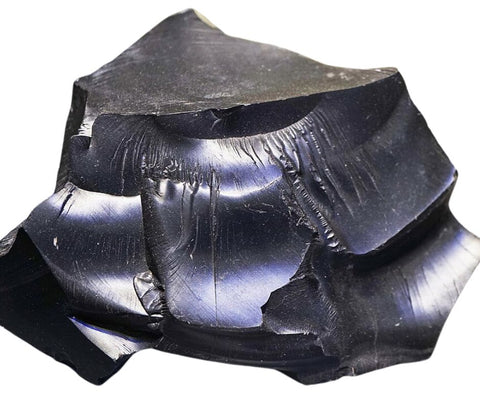
Jet is classified as a mineraloid, meaning it is a naturally occurring substance that resembles a mineral but lacks a crystalline structure. Imagine a dense, ancient forest. Over time, the trees fall and decay, gradually becoming engulfed and protected by layers of mud and sediment. The wood that formed jet came from a family of ancient, cone-bearing trees known as Araucariaceae, which includes the Chilean pine (Monkey Puzzle tree), an ancient species dating back to the Jurassic period. Jet is formed from decaying wood that undergoes extreme pressure and heat, resulting in a compact black material. Archaeological evidence shows that jet has been used since as far back as 10,000 B.C., particularly in carvings. Jet was especially popular in Britain from the Neolithic period to the Victorian age, most notably for mourning jewelry. Primarily composed of carbon, jet crystal is an organic gemstone formed from fossilized wood millions of years ago under high-pressure conditions. This intense geological metamorphosis results in a jet black stone that is highly prized for its lustre and metaphysical properties. Jet is found in various locations worldwide, including the United Kingdom, Spain, France, and the United States.
There are several types of jet crystals, each with unique characteristics. The primary types include:
-
Whitby jet
-
Soft jet
-
Hard jet
-
Acoma jet
Let’s take a closer look at each of these fascinating forms of jet.
Whitby Jet
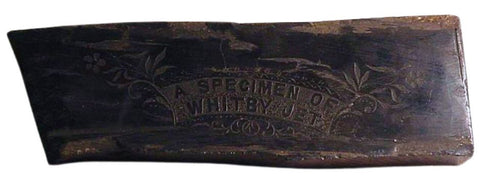
Whitby jet is the product of a precise set of geological circumstances. This type of jet is formed from fossilized driftwood from the Toarcian Period of the Lower Jurassic, which dates back approximately 183 million years. The intense black coloration and lustre of Whitby jet result from the toxic conditions during its formation, which promoted bacterial and algal blooms. These organisms impregnated the wood, giving Whitby Jet its distinctive aesthetic appeal.
Whitby Jet is sourced from the North Yorkshire coastline in England and was famously displayed at the Great Exhibition of 1851.
Whitby jet is found as distinct pieces, ranging in size from small fragments to entire tree trunks rather than in continuous seams like coal. This unique formation process and the stone’s magical properties made it highly esteemed in Roman Britain. It was used extensively in the creation of jewelry, amulets, and pendants and was an important export commodity. Whitby Jet is considered a fine quality jet, found in Whitby, East Yorkshire, England, and was a major export during the Victorian era.
Soft and Hard Jet
The conditions of their formation distinguish soft and hard jet. Soft jet forms as a result of carbon compression in fresh water, while hard jet forms in salt water. Both types of jet are formed through different processes. These two types of jet are similar in hardness, as indicated by their positions on the Mohs hardness scale. However, soft jet is prone to cracking when exposed to changes in temperature, making it slightly less durable than its hard counterpart.
These differences in formation and durability highlight the fascinating variety within the world of jet crystals. Each type of jet has its unique characteristics, making each stone a unique piece of geological history.
Acoma Jet
Acoma jet adds another layer to the diverse world of jet crystals. This distinct form of bituminous coal, used by the Navajo and Pueblo tribes of New Mexico, is found in various parts of the United States, setting it apart from European jet types like Whitby jet. The native tribes used Acoma jet in crafting jewelry and ornamenting weapons, attesting to its aesthetic appeal and workability.
What makes Acoma jet truly unique is its ability to become electrically charged when rubbed, a phenomenon known as the triboelectric property. This characteristic, akin to amber, sets Acoma jet apart from other types of jet and adds to its allure.
Jet is an organic gemstone formed from fossilized wood — explore more in our Mineralogy Hub
Now that we've explored how jet forms and their various types, let's examine their unique properties and benefits.
Jet Crystal Properties and Benefits
The properties of jet make it a standout among metaphysical stones. Jet crystal is a powerful, organic mineraloid formed from fossilized wood, primarily used in metaphysics for intense protection, grounding, and purification. It is especially valued for its ability to bridge the physical and spiritual realms, serving as a medium that facilitates spiritual growth and energetic protection. Its association with the Root chakra, which is linked to grounding and stability, further enhances its reputation as a protective, stabilizing stone. Below, we break down its core benefits and how it works in healing.
Emotional and Spiritual Benefits
Jet crystal is known for:
-
Absorbing negative energies and purifying the aura
-
Providing spiritual guidance and clarity
-
Aiding in letting go and coping with grief
-
Offering energetic protection, including shielding against psychic attacks and negative influences
-
Supporting emotional healing and release by absorbing and transmuting dense energies stored within the emotional body
-
Enhancing psychic abilities and facilitating spiritual growth, making it popular for meditation and spiritual practices
-
Helping to connect with higher consciousness and access spiritual realms during meditation
-
Grounding the user and providing a stabilizing effect on emotions by reinforcing energetic and spiritual boundaries
Jet also helps ground individuals in the present moment, promoting mindfulness and awareness in daily life or during travel.
Physical Benefits
Jet crystal’s physical benefits include:
-
Regulating life-force energies for rejuvenation
-
Drawing out unwanted energy, such as negative energy
-
Calming effect to alleviate fears and anxiety
-
Supporting hormonal balance and stabilizing mood swings
-
Helping individuals recover from traumatic physical and emotional injuries
-
Assisting in breaking negative behavioral patterns
How Jet Works in Healing
Jet acts as a powerful shield, creating a barrier of energetic protection around the wearer and purifying the aura to promote emotional and spiritual stability. It is highly valued for its ability to ward off negative influences, psychic intrusions, and energetic attachments. Jet is also used for energy cleansing, as it can purify and filter negativity from both the environment and the energy body.
Ancient Romans and Greeks used jet in amulets and jewelry to protect against the evil eye and sickness, highlighting jet's long-standing reputation as a protective stone.
Spanish jet encourages crystal enthusiasts to revere it for these qualities and more.
Physical Properties
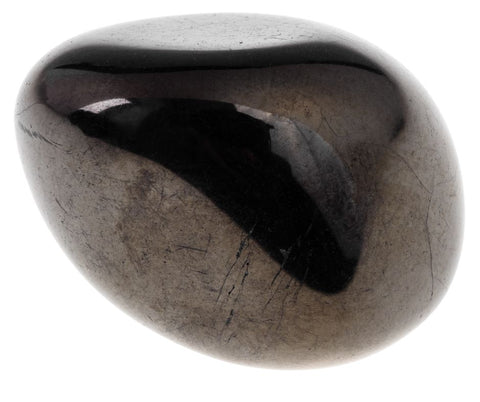
Jet crystal’s physical properties are as intriguing as its metaphysical attributes. This stone has the following physical properties:
-
Intense black colour, which can appear brownish when cut thin or when it contains impurities
-
Feels warm to the touch with a waxy or greasy texture
-
When unpolished, jet has a dull sheen, but polishing can bring it to a bright lustre.
Jet crystal has a relatively soft composition, with a Mohs scale hardness of 2.5 to 4, influencing its ability to achieve a metallic sheen when polished. Chemically, jet is predominantly composed of about 75% carbon, with oxygen making up roughly 12% of its composition and sulphur and hydrogen constituting most of the balance. One of the characteristic methods to identify a jet stone involves heating the material with a red-hot needle, which releases a coal-like odour.
Metaphysical Properties
Jet crystals transcend their physical characteristics, boasting a range of powerful jet metaphysical properties. Some of its key properties include:
-
Calming effects that help alleviate symptoms of anxiety and depression
-
Support during emotional stress and grief
-
Grounding properties that aid in staying present and restoring lost balance and harmony in life
-
Cultivating courage, strength, and determination
These properties make jet crystal a valuable healing stone for personal growth and healing. It is often used alongside prayer beads for enhanced benefits.
Jet Crystal Jewelry and Ornamental Uses
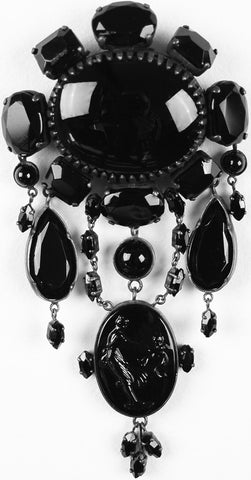
Jet crystal’s allure extends beyond its formation and metaphysical properties. Many people choose to wear jet jewelry for its protective and grounding properties, as well as its aesthetic appeal. Jet is often used in jewelry making due to its deep black color and smooth texture, making it popular for beads, pendants, and accessories. Its deep lustre, ease of polish, low specific gravity, and triboelectric properties make it a valued decorative item. Jet’s lightweight nature and ability to be easily carved or moulded have contributed to jet’s popularity in jewelry and ornamentation throughout history.
Victorian Mourning Jewelry
Jet jewelry was especially popular during the Victorian era, when it was widely known as a mourning stone, providing comfort and support during times of grief. Jet became famous as a Victorian mourning jewelry material, particularly when Queen Victoria wore it after Prince Albert's death in 1861. After a decline post-Victorian era, jet has seen a resurgence in modern Gothic and alternative fashion circles, particularly in places like Whitby during Goth Weekend.
Modern Fashion
Jet’s timeless appeal has ensured its place in modern fashion and design. The rise in the value of jet beads and antique jet jewelry in the ‘80s signaled its resurgence in contemporary fashion. Today, designers incorporate jet into modern jewelry lines, creating pieces that blend historical roots with current fashion trends.
Carved Jet Pieces
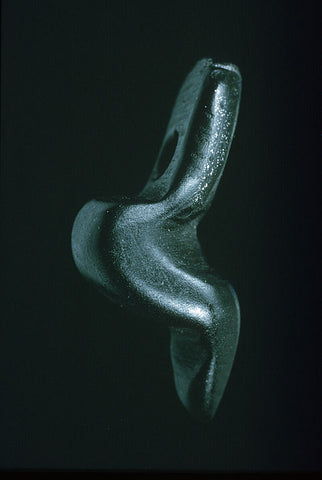
Jet can be found in thin layers or as isolated nodules, which can be cut into thin slabs or turned on a lathe for intricate designs. Its lightweight quality makes jet crystal particularly suitable for pendants and earrings, which are less prone to impact damage. Carved jet pieces, often used for pendants and brooches, highlight detailed imagery or patterns on their dark, lustrous surfaces.
Jet jewelry can be worn every day, but due to its brittleness, it should be removed during exercise or rigorous manual labor. Jet's neutral black color is ideal for unisex jewelry designs and pairs beautifully with all sorts of colorful stones.
Jet has a long history in jewellery, especially Victorian mourning pieces. Explore our collections here
Jet crystal’s historical and modern uses highlight its enduring appeal. Next, let’s look at how to properly care for and maintain your jet crystal.
How to Cleanse, Charge, and Care for Your Jet Crystal
Owning a piece of jet crystal is like owning a piece of Earth’s history. Proper care is essential to ensure its longevity and maintain its optimal energy. Follow these steps to care for your jet crystal:
-
Cleaning: After use, clean the jet with a soft, dry or microfiber cloth to gently remove natural oils and dirt from direct handling. Jet is very soft (Mohs hardness 2.5–4) and porous, so avoid harsh chemicals or abrasive cleaners that can damage the stone. Always use gentle cleaning methods and never expose jet to ultrasonic cleaners or harsh substances.
-
Washing: Jet can also be washed with warm, soapy water and a soft brush, but never use ultrasonic or steam cleaners, as these can harm the gemstone.
-
Restoring Shine: After cleaning, a small amount of mineral oil can be applied to restore shine and enhance the luster of your jet.
-
Storage: Always keep jet separate from harder stones to prevent scratches, and avoid exposing it to prolonged sunlight or heat, which can cause fading.
-
Handling: Remove jet jewelry before engaging in sports, physical activity, or sleeping to prevent accidental damage and maintain its appearance and energetic properties.
-
Energetic Cleansing: Cleanse and charge your jet crystal initially upon receiving it and continue to do so once or twice per month. This helps to maintain its optimal energy and enhances its metaphysical properties, ensuring your jet stone remains a powerful tool in your crystal healing practice. Jet can also be charged by placing it under the light of a full moon, which is believed to enhance its protective and grounding properties.
It is also a common practice to place a piece of jet on a nightstand or under a pillow to ward off fears during sleep.
With your jet crystal properly cared for, you can maximize its protective and grounding benefits. Now, let’s see how jet can be combined with other stones for even greater effects.
Combining Jet Crystal with Other Stones
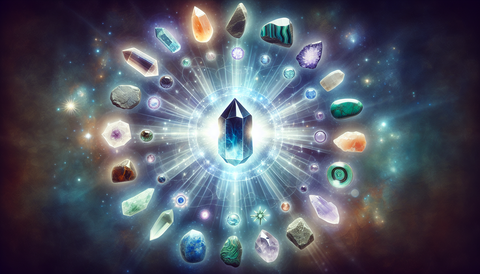
While jet crystal is powerful on its own, combining it with other crystals can enhance its healing, protection, and spiritual effects. Jet is often used in protection rituals to create a sacred energy boundary around personal spaces. For increased protection, jet can be paired with stones like Turquoise, Silver Leaf Jasper, and Sardonyx. It can also be combined with Amethyst, Black Obsidian, and Ammonite, among others.
Pairing jet crystal with Black Obsidian, for instance, is particularly beneficial for psychic protection and enhancing psychic abilities. Stones such as Hematite, when combined with jet crystal, are recommended for their grounding effects. Furthermore, inclusions like Amethyst and Labradorite, in combination with jet crystal, contribute to spiritual growth.
Chakra Balancing
Jet crystal’s grounding properties make it a potent ally in chakra balancing. Jet is associated with the Root chakra, which is linked to grounding and stability. It’s particularly effective in balancing the root (base) and third eye chakras. Its association with the root chakra helps stabilize one’s energy, facilitating a sense of security and physical well-being.
For the third eye chakra, jet stone is believed to enhance intuitive abilities, foster clarity of psychic visions, and promote insightful dreams. Beyond the root and third eye chakras, jet is said to benefit the earth star chakra and align with Capricorn’s natural affinity for earth-related attributes. In this context, the jet stone meaning is closely tied to its spiritual properties and chakra associations.
Crystal Pairings
Jet crystal pairs well with a range of other stones to create powerful combinations. Pairing jet with Black Amber can strengthen the connection between the root chakra and third eye chakras, enhancing meditation experiences. Combining jet stone with Amethyst brings energies of spirituality that are beneficial for deepening meditation practice and developing psychic abilities.
When combined with Black Obsidian, jet creates a shield for the aura against negativity, aiding in achieving psychic clarity. A combination of jet and Aventurine can alleviate stress, anxiety, and tension during meditative practices. Jet’s purification and healing properties are significantly enhanced when paired with Clear Quartz due to its ability to transform energy into a more positive vibration.
With these combinations, the jet crystal becomes an even more versatile tool for spiritual growth and protection. Next, let’s explore jet’s significance in astrology and as a birthstone.
Jet Crystal in Astrology and Birthstone Significance
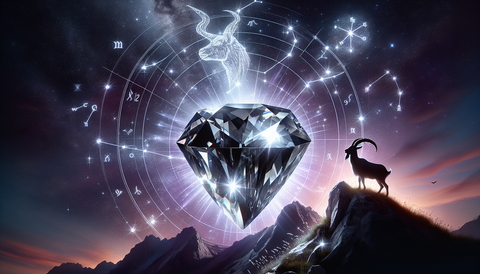
Astrology often assigns gemstones to specific zodiac signs; jet crystal is no exception. It’s associated with the zodiac sign of Capricorn, which resonates with the pragmatic and disciplined nature of this earth sign. Traditionally, jet is considered a birthstone for those born under this sign, which corresponds to the month of January.
For individuals born in January under the sign of Capricorn, jet crystal may serve as a significant and potentially lucky birthstone. Its grounding properties and protective qualities align well with Capricorn’s affinity for stability and security, making it an ideal stone for individuals under this sign.
Now that you know jet’s astrological significance, let’s clarify how to distinguish jet from similar-looking stones.
Crystals Commonly Confused with Jet
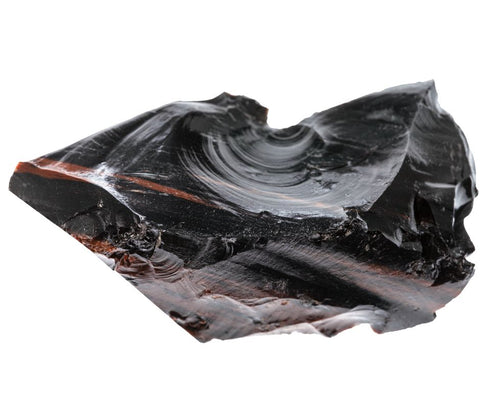
Given its deep black colour and lustrous appearance, jet crystal is often confused with several other stones. Use the table below to distinguish jet from its look-alikes:
|
Stone |
Origin/Type |
Hardness (Mohs) |
Appearance/Lustre |
Structure |
Key Differences from Jet |
|---|---|---|---|---|---|
|
Jet |
Organic mineraloid |
2.5–4 |
Deep black, warm, matte |
Amorphous |
Lightweight, warm to touch, floats |
|
Obsidian |
Volcanic glass |
5–6 |
Shinier, glassy |
Amorphous |
Harder, volcanic origin |
|
Onyx |
Quartz (chalcedony) |
6.5–7 |
Smooth, banded |
Crystalline |
Harder, banded, mineral |
|
Black Tourmaline |
Silicate mineral |
7–7.5 |
Striated, shiny |
Crystalline |
Harder, striations, mineral |
|
Shungite |
Carbon-rich mineraloid |
4–4.5 |
Dull, matte |
Amorphous |
Harder, purifies water, not as lustrous |
|
Black Amber |
Fossilized resin |
2–2.5 |
Slightly translucent |
Amorphous |
Lighter, resin origin, translucent |
|
Petrified Wood |
Fossilized wood |
6.5–7 |
Varied colours, heavy |
Crystalline |
Heavier, mineralized, not always black |
To identify genuine jet, look for its unique tactile and acoustic properties. True jet is cool to the touch—cooler than many imitations—and when rubbed, it can generate a static electric charge (piezoelectric property) strong enough to pick up small pieces of paper. When tapped, genuine jet produces a dull sound, unlike the sharper sound of glass or plastic. Jet can sometimes appear dark brown, especially when thin or containing impurities. Be aware of fake jet imitations, such as Vauxhall glass (also known as French jet), which is a type of black glass historically used to mimic jet in jewelry. Jet is found in several locations worldwide, including France, which is known for its historical jet deposits.
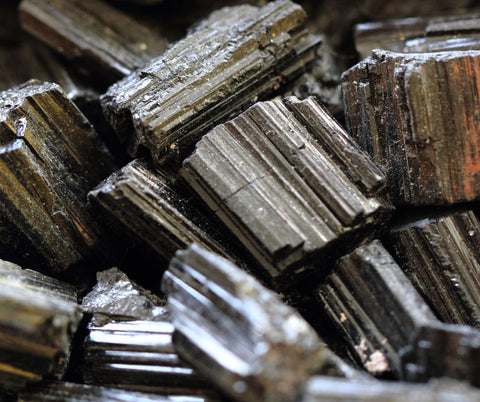
Black Tourmaline, known for its powerful protective and grounding properties, is a popular protective stone. It is harder than jet and has a more defined crystalline structure, often with striations along its length. Shungite, a rare carbon-rich stone known for its antioxidant properties, is similar in appearance to jet but is much harder and is renowned for its purported ability to purify water and shield against electromagnetic fields.
Black Amber, another stone often confused with jet, is a dark variety of amber, which is fossilized tree resin. It’s generally lighter than jet and can sometimes show a slight translucency when held up to the light. Distinguishing jet from these look-alikes often involves examining hardness, lustre, and warmth to the touch, as jet is relatively soft, has a warm feel, and a matte lustre compared to most of its mimics.
For more detailed answers to common questions about jet's properties, uses, care, and identification, refer to our comprehensive Jet FAQ.
With this knowledge, you can confidently identify genuine jet and appreciate its unique qualities. Let’s summarize what makes jet crystal so special.
Summary
Jet crystal, a unique, organic gemstone formed from fossilized wood under high-pressure conditions, is truly a marvel of nature. Its intense black colour, lustrous shine, and unique metaphysical properties make it a prized possession in the world of crystals. From its historical significance in jewelry and ornaments to its modern applications in fashion and decor, jet crystal continues to captivate and inspire. Whether you’re drawn to its grounding energies, protective qualities, or simply its timeless beauty, jet crystal undoubtedly holds a special place in the realm of gemstones.
Discover other unusual gems in our A–Z Gemstone Directory
Frequently Asked Questions
What is the jet crystal used for?
Jet crystal is used to ground oneself and affect the root chakra. It is believed to help break negative behavioural patterns, bring good luck, and provide clarity during difficult times. Jet crystal is not a mineral but a mineraloid derived from wood under extreme pressure.
Is jet a real crystal?
No, jet is not a real crystal but is a type of lignite, the lowest rank of coal, and is a gemstone derived from wood under extreme pressure. It is not a mineral but rather a mineraloid.
How can I tell if my jet crystal is real?
You can perform the smudge test by making a mark on an unglazed ceramic tile or wet/dry paper. It is likely a real jet crystal if it leaves a brown streak.
How rare is jet stone?
Jet stone is considered to be rare due to the diminished supply caused by the outdated mining methods and dangerous collection techniques. This has made it a scarce gemstone.
What is the benefit of the jet stone?
The jet stone is believed to affect the root chakra, help with grounding, break negative patterns, and bring clarity to difficult situations. It is also considered a stone of good luck.


