

Orange gemstones are warm, vibrant, and lively, making them highly sought after for use in jewelry. This guide covers 30 popular orange gemstones for jewelry, their meanings, benefits, and buying considerations. It is designed for jewelry enthusiasts, collectors, and anyone interested in orange gemstones to help you choose the perfect one for your needs. Orange gemstones often have intriguing meanings and a variety of benefits, making them suitable not only for wearing but also for meditation and other similar purposes.
Orange crystals are vibrant stones that symbolize creativity, energy, and warmth. Their profound symbolic meaning and striking aesthetic appeal make them highly sought after in the world of jewelry design.
As with most gemstone colours, there are far more orange stones than most people realize. Here’s an overview of orange gemstones and a closer look at 30 orange gemstones for jewelry.
Introduction to Orange Gemstones
Orange gemstones are a vibrant and diverse group of stones that bring a burst of energy and warmth to any jewelry collection. Ranging from the fiery brilliance of padparadscha sapphire to the sunny glow of citrine, these gemstones symbolize happiness, creativity, and energy, echoing the golden tones of the dusk sky and suggesting optimism and new beginnings. Whether you’re drawn to the rare and bold hues of an orange sapphire or prefer the subtle charm of a peach-toned stone, orange gemstones are celebrated for their radiant beauty and unique appeal. Their captivating colours—ranging from deep, burnt oranges to soft, pastel shades, with pure orange among the rarest naturally occurring mineral colours—make them a favourite among jewellery lovers who want to make a statement or add a touch of warmth to their everyday look. With options that suit both collectors and casual wearers, orange gemstones are a stunning way to express individuality and creativity through jewelry.
Orange Gemstones Meaning
Orange gemstones carry a rich tapestry of symbolic meanings. The colour orange is associated with:
-
Wisdom: Orange gemstones are believed to enhance intelligent judgment and decision-making.
-
Intelligent Judgment: They are thought to support clarity of thought and discernment.
-
Boundless Passion: Orange stones are associated with passion and vitality and are rooted in the sacral chakra.
-
Happiness, Creativity, and Energy: These stones represent the golden tones of the dusk sky, signifying optimism and new beginnings.
-
Optimism and New Beginnings: Orange gemstones are often chosen to inspire hope and fresh starts.
-
Sacral Chakra: The significance of orange gemstones is deeply rooted in the sacral chakra, which governs passion, creativity, and emotional balance.
Many people believe orange gemstones support confidence and self-expression, and in metaphysical practices, their healing properties are said to boost creativity, enhance emotions, and promote sexual energy while helping people connect with their spirituality and spiritual benefits without losing a sense of grounding. Orange gemstones are also believed to stimulate creativity and inspire new ideas, making them popular choices for those seeking to enhance their creative energy. They are also thought to support people through difficult transitions by encouraging hope, personal growth, and balance in the sacral and solar plexus chakras.
Historically, stones such as carnelian have been used across cultures for their perceived metaphysical qualities, particularly creativity, emotional balance, and vitality.
Orange Crystal Benefits
Many of the benefits of orange gems are connected with positive emotions. Orange stones can provide a mental boost, as the colour is associated with happiness, positive vibes, enjoyment, and expression. Orange is also strongly connected to the sacral chakra, which governs emotions, creativity, passion, and pleasure and provides a connection to the senses. As a result, many believe that orange stones are excellent in assisting those areas.
Transition: Now that you understand the symbolic meanings and benefits of orange gemstones, let’s explore what to consider when buying them.
Factors to Consider When Buying Orange Gemstones
When shopping for orange gemstones, it’s important to think about more than just the colour. Here are the key factors to consider:
-
Type of Stone: Each variety, from sapphires and topaz to garnets and orange calcite, has its own unique qualities and price range, ranging from affordable quartz to investment-grade diamonds.
-
Colour Saturation: This is the most critical factor in determining the quality and appeal of an orange gemstone. The intensity and saturation of the orange hue can greatly affect the stone’s desirability and value. For example, padparadscha sapphires offer a delicate blend of pink and orange, while citrine displays a more vibrant colour.
-
Clarity: Clarity refers to the stone’s transparency and the presence of natural imperfections, known as inclusions. Stones with higher clarity (fewer inclusions) are generally more valuable.
-
Cut: The cut of an orange gemstone significantly influences its overall appearance and value. Some stones are better suited for cabochon cuts (smooth, rounded) while others are ideal for faceting (multiple flat surfaces to enhance sparkle).
-
Carat Weight: Carat weight is another important factor in determining the value of orange gemstones. Generally, larger stones are more valuable due to their rarity, but colour and saturation also play a crucial role.
-
Durability: For example, orange calcite is softer and may be better suited for pendants or earrings rather than rings.
-
Treatment: Some stones undergo heat treatment to improve colour, but Natural, untreated orange gemstones command premium prices.
-
Certification: For higher-value purchases, a report from a reputable gemological institute can help confirm authenticity.
-
Care: Clean with warm soapy water, use a soft brush, and dry thoroughly with a soft cloth.
By considering these aspects, you can find the perfect orange gemstone that matches your style, needs, and budget.
Transition: With these factors in mind, let’s look at some affordable orange gemstones that offer beauty and value.
Affordable Orange Gemstones
You don’t have to spend a fortune to enjoy the radiant beauty of orange gemstones. There are plenty of affordable orange gemstones that offer vibrant colour and style without breaking the bank. Here are some popular options:
-
Citrine
-
Bright, cheerful hue and widespread availability
-
Known as the Merchant’s Stone, associated with abundance, success, and optimism
-
November birthstone
-
Colour range: pale yellow-orange to deep reddish-brown
-
Mohs hardness: 7
-
-
Orange Quartz
-
Often referred to as citrine
-
Budget-friendly, brings a sunny glow to jewelry
-
-
Carnelian
-
Rich, red-orange tones
-
Classic favourite for beads and pendants
-
-
Orange Jasper
-
Earthy patterns and natural charm
-
These stones are perfect for adding a splash of orange to your jewelry collection, whether you’re looking for everyday pieces or something a little more special.
Transition: If you’re interested in more exclusive and rare options, let’s explore luxury orange gemstones next.
Luxury Orange Gemstones
For those seeking the ultimate in rarity and sophistication, luxury orange gemstones offer unmatched allure and value. Here are some of the most coveted options:
-
Padparadscha Sapphire
-
Among the rarest and most coveted orange gemstones
-
Exquisite blend of pink and orange hues, evoking the beauty of a lotus flower
-
-
Imperial Topaz
-
Dazzles with intense yellowish-orange colour and exceptional brilliance
-
Standout choice for high-end jewelry
-
-
Orange Diamond
-
Known for its rarity and vibrant, fiery orange colour
-
Some of the most expensive orange gemstones in the world
-
-
Spessartite Garnet
-
Deep reddish-orange tones and remarkable clarity
-
Highly sought after by collectors
-
These luxury stones are ideal for those seeking to invest in a truly unique and valuable piece, adding a touch of radiant beauty and exclusivity to any jewelry collection.
Transition: Now that you know about both affordable and luxury options, let’s address some frequently asked questions about orange gemstones.
Frequently Asked Questions About Orange Gemstones
Which Orange Gemstones Are Ideal for Everyday Wear?
If you want an orange gem for everyday wear, it’s best to focus on gemstones that rate no lower than 6.5 on the Mohs hardness scale. Typically, a rating at or above that mark means the stone is durable enough to resist scratches, chips, and breakage during accidental contact with an object, such as a strike against a doorframe. Orange sapphire is the most durable orange gemstone for daily wear, with a Mohs hardness of 9, making it a strong choice for an engagement ring.
Several orange gemstones are ideal for everyday wear. Citrine is also a sensible daily-wear option because of its durability. Here are just some of the popular options:
-
Carnelian
-
Imperial Topaz
-
Madeira Citrine
-
Orange Beryl
-
Orange Diamond
-
Orange Garnets
-
Orange Spinel
-
Orange Sapphires
For daily-wear rings, it’s smart to seek out an Orange Sapphire or Citrine for better durability, while Fire Opal is not a good choice for everyday wear because it scratches and cracks more easily.
What Is the Rarest Orange Stone?

Generally, most consider the padparadscha sapphire the rarest orange gemstone. It features a magnificent blend of brilliant orange, pink, and yellow tones, not unlike a sunrise or sunset, and the stones can lean closer toward one of those colours. With the versions that appear mostly orange, you typically get flashes of yellow and pink across the facets, and some may even have colouring close to red in certain areas. The result is warm and fiery, making them highly intriguing and very valuable.
The orange diamond is also one of the rarer orange-coloured gemstones. Estimates suggest they account for only 0.05 percent of fancy-coloured diamonds, which makes naturally occurring ones quite valuable as well. Natural fancy orange diamonds are incredibly scarce, formed naturally, and rank 10 on the Mohs scale.
What Is Orange Quartz Called?
Generally, if quartz is orange, it's either hematoid quartz or citrine, depending on its composition. Hematoid quartz is also referred to as tangerine quartz due to its colour, so it's also safe to use that name.
What Is the Most Expensive Orange Jewel?
Typically, the padparadscha sapphire (also known as the orange sapphire) is the most expensive orange gemstone on the market, as particularly high-quality versions in desirable colours can easily cost tens of thousands of dollars.

Orange diamonds may also be the most expensive orange gemstone. Diamonds typically command high prices, and naturally occurring orange ones are rare, so they can also come with price tags in the tens of thousands of dollars.
Orange imperial topaz is also an expensive stone. Often, those retail for a few thousand dollars per carat, though the exact price depends on the precise hue, cut, clarity, and other factors.
When it comes to famous orange jewels, the Pumpkin Diamond stands out. It was last purchased for $1.3 million and was the largest fancy orange diamond of its time, weighing 5.54 carats.
Transition: With these FAQs answered, let’s move on to a comprehensive list of 30 orange gemstones, including their key properties and what makes each unique.
List of Orange Gemstones
Below is a summary table of the 30 orange gemstones covered in this guide, followed by detailed descriptions for each:
|
Gemstone |
Mohs Hardness |
Colour Range |
Rarity |
Notable Properties/Uses |
|---|---|---|---|---|
|
Amber |
2–2.5 |
Honey to burnt sienna |
Common |
Organic, warm glow, ancient uses |
|
Carnelian |
6.5–7 |
Reddish-orange to brownish |
Common |
Leadership, beads, pendants |
|
Clinohumite |
6 |
Orange, red, yellow tones |
Rare |
Transparent, rare, collector’s stone |
|
Imperial Topaz |
8 |
Pink, yellow, red, orange |
Rare |
Pleochroic, luxury, brilliance |
|
Madeira Citrine |
7 |
Deep reddish-orange |
Common |
Durable, dichroic, faceted |
|
Moonstone |
6–6.5 |
Peach to deep orange |
Uncommon |
Peach/orange due to iron, adularescence |
|
Orange Agate |
6.5–7 |
Orange with white stripes |
Common |
Banded, earthy, chalcedony |
|
Orange Andesine Labradorite |
6–6.5 |
Red, orange, yellow, gray |
Uncommon |
Feldspar blend, labradorescence |
|
Orange Beryl |
7.5–8 |
Warm orange |
Rare |
Morganite variety, faceted/cabochon |
|
Orange Calcite |
3 |
Swirled orange/white |
Common |
Soft, affordable, cabochon/carved |
|
Orange Coral |
3–4 |
Orange |
Regulated |
Organic, ethical concerns |
|
Orange Danburite |
7 |
Gentle to vibrant orange |
Rare |
Transparent, faceted |
|
Orange Diamond |
10 |
Fiery orange |
Extremely rare |
Fancy colour, high value |
|
Orange Fire Opal |
5.5–6.5 |
Yellow-orange to orange-red |
Uncommon |
Opalescence, Mexican origin |
|
Orange Fluorite |
4 |
Pale yellow to deep orange |
Rare |
Collector’s stone, transparent |
|
Orange Garnets |
6.5–7.5 |
Orange, reddish-orange |
Uncommon |
Durable; includes several popular orange gemstone varieties. |
|
Orange Jasper |
6.5–7 |
Earthy orange, patterns |
Common |
Opaque, banded, swirled |
|
Orange Kyanite |
4.5–7 |
Deep orange |
Rare |
Unconventional hardness, Tanzanian |
|
Orange Sapphire |
9 |
Pink, pale orange, yellow |
Rare |
Padparadscha, durable, luxury |
|
Orange Sphalerite |
3.5–4 |
Translucent orange |
Rare |
High lustre, soft, faceted |
|
Orange Sphene |
5–5.5 |
Earthy orange |
Rare |
Fire, pleochroism, soft |
|
Orange Spinel |
8 |
Orange |
Uncommon |
Transparent, durable, brilliant |
|
Orange Topaz |
8 |
Vibrant orange |
Rare |
Durable, high transparency |
|
Orange Tourmaline |
7 |
Pumpkin to peach |
Rare |
Cat’s eye effect, versatile |
|
Orange Zircon |
6.5–7.5 |
Champagne to red-orange |
Uncommon |
Fluorescent, warm tones |
|
Palmwood Gemstone |
6.5–7 |
Orange, brown, white |
Uncommon |
Petrified wood, durable |
|
Peach Aventurine |
6.5–7 |
Soft peach/orange |
Uncommon |
Aventurescence, shimmering |
|
Sardonyx |
6.5–7 |
Orange, white, brown bands |
Common |
Protective talisman, self-confidence |
|
Sunstone |
6–6.5 |
Red-orange |
Uncommon |
Schiller effect, copper inclusions |
|
Tangerine Quartz |
7 |
Rusty orange |
Uncommon |
Hematoid quartz, durable |
Amber

-
Mohs Hardness: 2–2.5
-
Colour Range: Honey to deep burnt sienna
-
Rarity: Common
-
Notable Properties: Organic gemstone made of hardened tree resin; warm, glowing appearance; historically used in ancient medicinal practices.
Carnelian

-
Mohs Hardness: 6.5–7
-
Colour Range: Reddish-orange to brownish-orange
-
Rarity: Common
-
Notable Properties: Variety of chalcedony; associated with leadership; popular for beads and pendants.
Clinohumite

-
Mohs Hardness: 6
-
Colour Range: Orange with red and yellow tones
-
Rarity: Rare
-
Notable Properties: Transparent, vibrant; discovered in volcanic limestone; collector’s stone.
Imperial Topaz

-
Mohs Hardness: 8
-
Colour Range: Pink, yellow, red, vivid orange
-
Rarity: Rare
-
Notable Properties: Highly prized for intense golden orange colour; pleochroic; luxury gemstone.
Madeira Citrine

-
Mohs Hardness: 7
-
Colour Range: Deep, earthy reddish-orange
-
Rarity: Common
-
Notable Properties: Durable; dichroic flashes; often faceted.
Moonstone

-
Mohs Hardness: 6–6.5
-
Colour Range: Gentle peach to deep orange
-
Rarity: Uncommon
-
Notable Properties: Orange Moonstone shows a peach-to-orange body colour under changing light; its adularescence is an optical phenomenon caused by its internal structure, with the colour influenced by iron.
Orange Agate
-
Mohs Hardness: 6.5–7
-
Colour Range: Orange with white stripes
-
Rarity: Common
-
Notable Properties: Banded chalcedony; earthy patterns.
Orange Andesine Labradorite
-
Orange Andesine Feldspar (Andesine Labradorite)
-
Mohs Hardness: 6–6.5
-
Colour Range: Red, orange, yellow, gray, white, green
-
Rarity: Uncommon
-
Notable Properties: Feldspar blend; occurs in different colours and may show labradorescence under light.
Orange Beryl
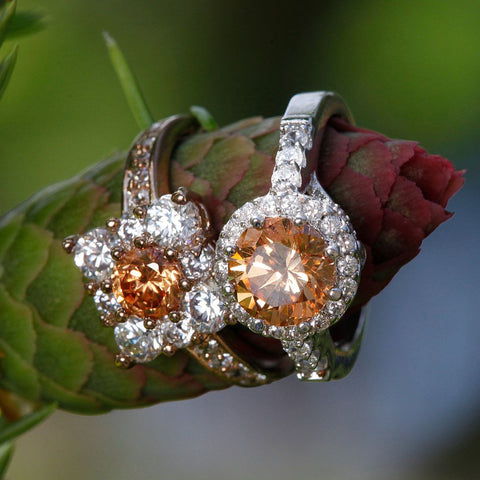
-
Mohs Hardness: 7.5–8
-
Colour Range: Warm orange
-
Rarity: Rare
-
Notable Properties: Morganite variety; transparent; suitable for faceting.
Orange Calcite

-
Mohs Hardness: 3
-
Colour Range: Swirled orange and white
-
Rarity: Common
-
Notable Properties: Soft; affordable; often cabochon or carved.
Orange Coral
-
Mohs Hardness: 3–4
-
Colour Range: Orange
-
Rarity: Regulated
-
Notable Properties: Organic; ethical concerns; often reproduced.
Orange Danburite

-
Mohs Hardness: 7
-
Colour Range: Gentle to vibrant orange
-
Rarity: Rare
-
Notable Properties: Transparent; suitable for faceting.
Orange Diamond
-
Mohs Hardness: 10
-
Colour Range: Orange with a fiery colour
-
Rarity: Extremely rare
-
Notable Properties: Fancy colour; high value; exceptional shine.
Orange Fire Opal

-
Mohs Hardness: 5.5–6.5
-
Colour Range: Yellow-orange to orange-red
-
Rarity: Uncommon
-
Notable Properties: Prized for vivid body colour, opalescence, and Mexican origin; fire opals are often valued more for body colour than for play of colour.
Orange Fluorite
-
Mohs Hardness: 4
-
Colour Range: Pale yellow to deep orange
-
Rarity: Rare
-
Notable Properties: Collector’s stone; transparent.
Orange Garnets
-
Mohs Hardness: 6.5–7.5
-
Colour Range: Orange, reddish-orange
-
Rarity: Uncommon
-
Notable Properties: Durable; includes several popular orange gemstone varieties:

-
Spessartite Garnet (a vibrant orange-to-reddish-orange garnet highly prized for its hues and rarity).
-
Other types include hessonite garnet (cinnamon stone), Mali garnet, Malaya garnet, which can appear pinkish orange, and Mandarin garnet (a vivid orange spessartine garnet).
Orange Jasper
-
Mohs Hardness: 6.5–7
-
Colour Range: Earthy orange, patterns
-
Rarity: Common
-
Notable Properties: Opaque; banded, swirled, or orbicular patterns.
Orange Kyanite

-
Mohs Hardness: 4.5–7 (varies by axis)
-
Colour Range: Deep orange
-
Rarity: Rare
-
Notable Properties: Discovered in Tanzania; unconventional hardness.
Orange Sapphire (Padparadscha)

-
Mohs Hardness: 9
-
Colour Range: Pink, pale orange, yellow
-
Rarity: Rare
-
Notable Properties: Padparadscha sapphires are among the rarest and most valuable orange gemstones, featuring a unique blend of pink and orange hues.
Orange Sphalerite

-
Mohs Hardness: 3.5–4
-
Colour Range: Translucent orange
-
Rarity: Rare
-
Notable Properties: High lustre; soft; sometimes faceted.
Orange Sphene

-
Mohs Hardness: 5–5.5
-
Colour Range: Earthy orange
-
Rarity: Rare
-
Notable Properties: High fire; pleochroism; soft.
Orange Spinel
-
Mohs Hardness: 8
-
Colour Range: Orange
-
Rarity: Uncommon
-
Notable Properties: Excellent transparency and clarity; durable.
Orange Topaz

-
Mohs Hardness: 8
-
Colour Range: Vibrant orange
-
Rarity: Rare
-
Notable Properties: Durable; high transparency; similar to imperial topaz.
Orange Tourmaline

-
Mohs Hardness: 7
-
Colour Range: Pumpkin to peach
-
Rarity: Rare
-
Notable Properties: Cat’s eye effect; versatile; durable; occurs in orange varieties ranging from pumpkin to peach.
Orange Zircon

-
Mohs Hardness: 6.5–7.5
-
Colour Range: Champagne to red-orange
-
Rarity: Uncommon
-
Notable Properties: Fluorescent; unique warmth.
Palmwood Gemstone
-
Mohs Hardness: 6.5–7
-
Colour Range: Orange, brown, white
-
Rarity: Uncommon
-
Notable Properties: Petrified wood; durable.
Peach Aventurine

-
Mohs Hardness: 6.5–7
-
Colour Range: Soft peach/orange
-
Rarity: Uncommon
-
Notable Properties: Aventurescence; shimmering; translucent; in symbolic use, orange aventurine is associated with gentle healing and grounding.
Sardonyx

-
Mohs Hardness: 6.5–7
-
Colour Range: Orange, white, brown bands
-
Rarity: Common
-
Notable Properties: Protective talisman traditionally worn against malevolent forces; self-confidence; banded.
Sunstone

-
Mohs Hardness: 6–6.5
-
Colour Range: Red-orange
-
Rarity: Uncommon
-
Notable Properties: Oregon sunstones exhibit a schiller effect and a glowing appearance, with copper inclusions creating their distinctive visual appearance.
Tangerine Quartz

-
Mohs Hardness: 7
-
Colour Range: Rusty orange
-
Rarity: Uncommon
-
Notable Properties: Hematoid quartz; durable; easy care; orange colour comes from surface iron oxide; store separately to prevent scratches.
This comprehensive guide to orange gemstones provides jewelry enthusiasts, collectors, and anyone interested in orange gemstones with the knowledge needed to choose the perfect stone for their needs. Whether you’re seeking affordable options or luxury investments, understanding the meanings, benefits, and considerations when buying will help you make an informed decision and enjoy the radiant beauty of orange gemstones in your jewelry collection.


