

Diaspore is a rare, colour-changing aluminum hydroxide mineral (α-AlO(OH)), crystallizing in the orthorhombic system and prized as a gemstone for its remarkable optical properties. This comprehensive guide explores the scientific, historical, metaphysical, and practical aspects of diaspore, making it an essential resource for gemstone enthusiasts, collectors, and jewelry buyers. Whether you are fascinated by minerals, searching for a unique addition to your gemstone collection, or considering a diaspore piece for your jewelry box, understanding diaspore’s rarity, colour-changing allure, and industrial significance will deepen your appreciation for this extraordinary mineral.
Diaspore is not only celebrated for its captivating colour change but also holds a crucial place in industry as a major component of bauxite—the primary ore of aluminum. Its unique mineralogical identity, rarity, and transformative beauty make it a gemstone that stands apart in both scientific and collector circles.
The name “diaspore” is derived from the Greek word “diaspeirein,” meaning “to scatter,” referencing its tendency to disintegrate or scatter when heated—a property that has intrigued scientists since its discovery. This mineral typically forms through the alteration of aluminous minerals such as corundum or as a product of intense tropical weathering, and is a key constituent of bauxite deposits across various geological environments.
In this article, we will delve into diaspore’s mineralogical definition, its industrial uses, the science behind its colour-changing phenomenon, its rarity and types, its formation and sources, its evaluation as a gemstone, its care and maintenance, its metaphysical properties, and frequently asked questions. By the end, you’ll understand why diaspore matters and how it continues to captivate and inspire across multiple domains.
Introduction to Diaspore
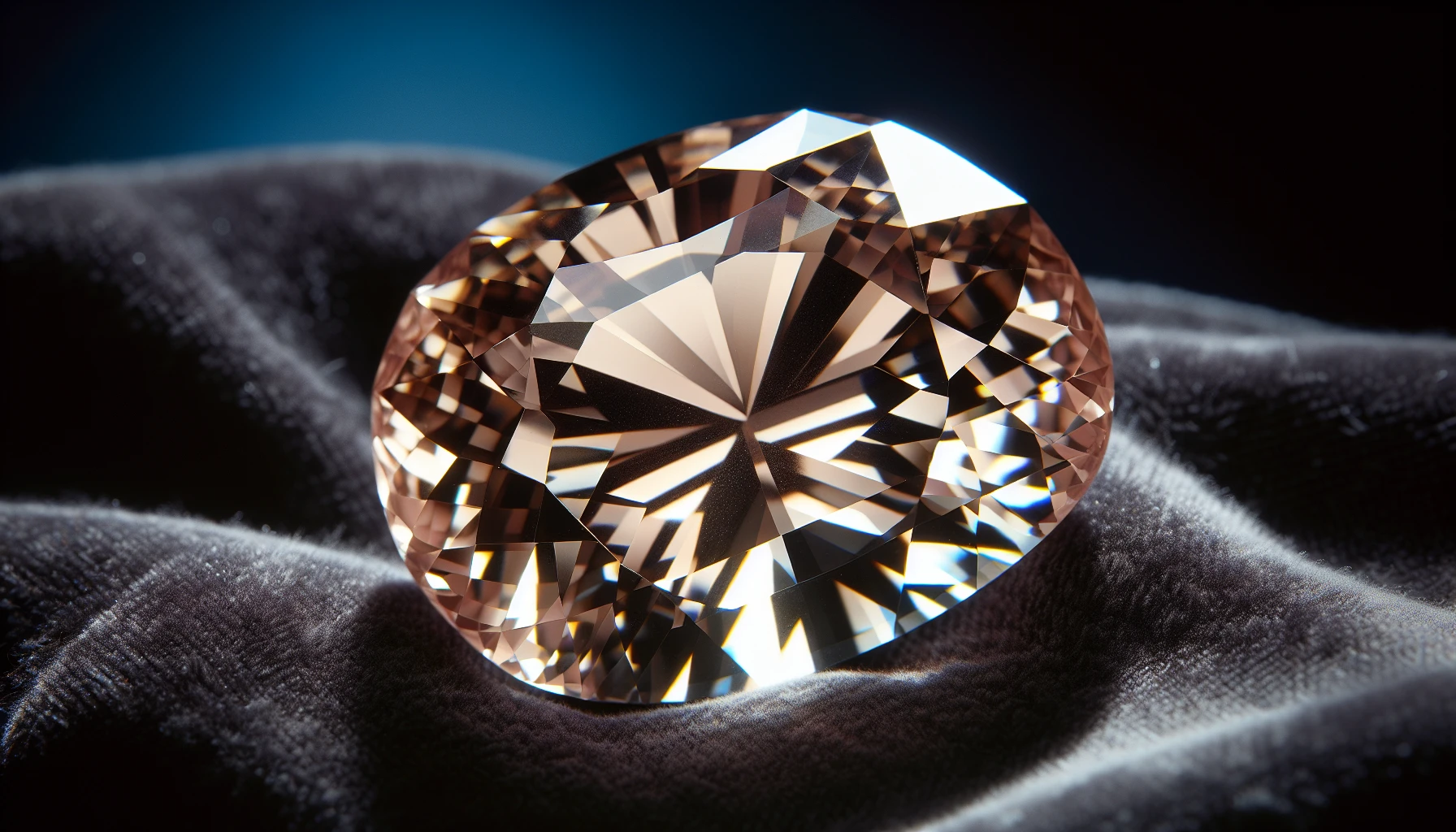
Diaspore is an aluminum hydroxide oxide mineral, α-AlO(OH), crystallizing in the orthorhombic system. It is colourless, greyish-white, yellowish, or sometimes violet. Classified scientifically for its unique mineralogical properties, diaspore often occurs in bauxite deposits, metamorphic rocks, and some pegmatites. It is one of the rock-forming minerals in these rocks. Diaspore typically forms in sheet forms and displays a tabular crystal habit, which helps distinguish it from other minerals. Its perfect cleavage occurs in the [010] and [110] direction, making it notable among collectors and gemologists. Good crystals of diaspore are rare and highly valued for their transparency and suitability as gemstones. An image, such as a photomicrograph, can highlight diaspore's structure and subtle colour variations.
The name “diaspore” comes from the Greek “diaspeirein,” meaning “to scatter,” a nod to its tendency to disintegrate or scatter when heated—a unique physical property that inspired its name and adds to its mystique.
Diaspore stands out as a major component of bauxite deposits—the primary source of aluminum worldwide. This unique mineral is found in a variety of geological environments, including igneous and metamorphic rocks and emery deposits, where it often forms distinct particles dispersed within a matrix or pseudohexagonal aggregates. Diaspore typically forms by alteration of aluminous minerals or by intense tropical weathering, making it a key agent in the natural processes that produce aluminum ore.
Physically, diaspore is recognized for its vitreous to pearly lustre, especially on cleavage surfaces, and a specific gravity of around 3.4. It can occur in a spectrum of colours, from colourless and pale pink to yellow, green, and brown, making each specimen distinct. Gem-quality diaspore, particularly the highly prized Turkish variety, is celebrated for its remarkable colour change and clarity, commanding a premium in the gemstone market.
Diaspore’s type locality is Mramorsk Zavod in the Sverdlovskaya Oblast of the Middle Urals, Russia, but notable occurrences are also found in Turkey, Greece, and the United States. In these regions, diaspore is often associated with other species such as corundum, spinel, and garnet, forming intricate patterns and aggregates within the host rocks.
For those eager to delve deeper into the world of diaspore, a wealth of external links and scientific literature is available. Exploring terms such as “gem quality diaspore,” “Turkish diaspore,” “bauxite deposits,” “igneous rocks,” and “crystal structure refinement” can open a fascinating journey into the mineral’s scientific and gemological significance. Whether you’re drawn to its rare occurrence, its distinct physical properties, or its role as a gemstone, diaspore remains a mineral species that continues to captivate and inspire.
Now that we’ve established diaspore’s mineralogical identity and context, let’s explore its industrial significance before diving into its gemstone allure.
Diaspore’s Industrial Uses
Beyond its allure as a gemstone, diaspore plays a vital role in industry:
-
Major Component of Bauxite: Diaspore is a principal mineral in bauxite, the primary ore from which aluminum is extracted. Alongside gibbsite and boehmite, diaspore is a key source of aluminum for global industrial use.
-
Source of Aluminum: As a major industrial source of aluminum, diaspore is processed to produce the lightweight metal used in transportation, packaging, construction, and countless other applications.
-
Refractory Industry: Due to its high melting point and excellent thermal shock resistance, diaspore is used in the manufacture of high-alumina bricks and other refractory materials. These bricks are essential for lining furnaces, kilns, and reactors in the steel, glass, and cement industries.
This dual identity—both as a rare gemstone and an industrial mineral—makes diaspore unique among minerals.
With its industrial importance established, let’s turn our attention to the phenomenon that makes diaspore so captivating as a gemstone: its remarkable colour change.
The Phenomenon of Colour Change: Understanding Diaspore's Science
At the core of Diaspore’s charm is its pleochroism, a phenomenon in which the gem exhibits varying colours when viewed from different angles. This colour shift, predominantly seen in the Turkish Diaspora, ranges from light olive or kiwi green under natural light to a reddish-pink hue under incandescent light. Diaspore typically appears yellowish-green in fluorescent light and pink or reddish in incandescent light, due to trace elements such as chromium and vanadium. Additional colour variations, such as pale yellow and lilac, can also be observed in certain lighting conditions or in regional varieties, adding to the gemstone’s aesthetic appeal. Diaspore’s remarkable colour change is most noticeable under different light sources, such as sunlight and daylight, which reveal a range of colours and showcase its dynamic optical properties. The best colour-changing diaspore features distinct, saturated colours that appear bright canary yellow in sunlight to deep raspberry red in candlelight.
Trace elements like iron, manganese, titanium, and chromium contribute to this spectacular display, with each component playing a pivotal role in the gemstone’s colour and colour change. The best colour change is observed under specific lighting conditions, including sunlight and daylight, where the gemstone’s unique hues and chameleon-like qualities are most apparent.
The Science Behind the Colour Change
The captivating colour alteration in Diaspore stems from its pleochroic characteristics and the presence of impurities such as iron, manganese, titanium, and chromium in this transparent gemstone, which may also lead to visible inclusions. Pleochroism is an exciting phenomenon in which a gemstone exhibits different colours when viewed from different angles, making Diaspore a truly captivating gem. Under certain lighting conditions, diaspore can appear greenish or even yellow-green, further highlighting its remarkable colour-changing properties.
Experts describe how pleochroism and impurities affect the gemstone's appearance, noting that traces of chromium in the presence of iron can cause colour changes in different lighting conditions, including purplish-pink hues and multiple colours. Also, the presence of manganese, titanium, and chromium can significantly influence Diaspore's overall colour.
Comparing Diaspore and Zultanite

Zultanite is a trade name for high-quality, colour-changing Turkish diaspore. The main difference between Turkish diaspore and other diaspore varieties lies in its unique origin, exceptional colour-changing properties, and the branding associated with trademarked names and trade names like Zultanite and Csarite. Csarite, Ottomanite, Turkizite, and Zultanite are trade names for gem-quality diaspore from the İlbir Mountains of southwest Turkey. Natural diaspore is often less expensive than its trademarked varieties, such as Zultanite® and Csarite®. All Zultanite® is diaspore, but not all diaspore is Zultanite® or Csarite®. Turkish diaspore is renowned for its remarkable ability to shift colours under different lighting conditions, making it distinct from diaspore found elsewhere. Authentic, genuine zultanite is recognized for its astonishing ability to change colour and is highly sought after for its unique properties. Some key features of zultanite include:
-
Its ability to change colours depending on the lighting conditions
-
It is a rarity, as it only comes from one country and forms a small portion of the Anatolian Mountains
-
Its rich history dates back to the times of the Ottoman Empire
These factors contribute to zultanite's status as a highly sought-after gemstone in the jewelry industry, especially for its allure. The increasing popularity of zultanite jewelry has made it a must-have for many fashion enthusiasts.
The yield of gem-quality zultanite is only 2%, adding to its rarity and value. It wasn’t until 2006 that zultanite began to be mined specifically as a gemstone, and the challenge of cutting zultanite delayed its arrival into the market.
Now that we've explored the science behind diaspore's colour change, let's examine why this gemstone is so rare and coveted.
The Rarity Factor: Why Diaspore Is Coveted
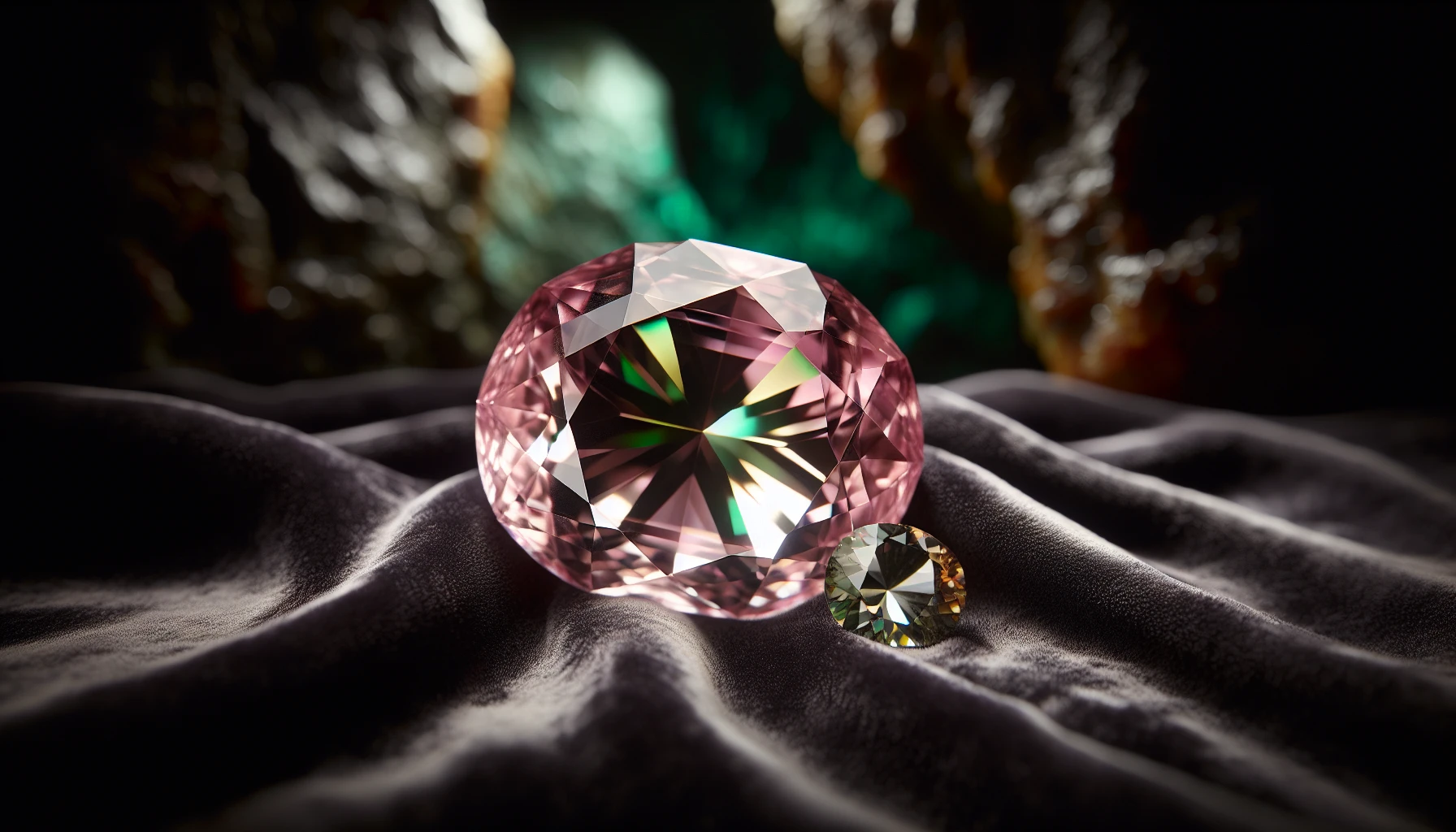
The scarcity and uniqueness of Diaspore make it a highly sought-after, rare gemstone. Its incredible colour-changing properties, combined with the fact that it is only mined in one country, add to its allure and desirability.
Customers can expect detailed information about Diaspore's origin, colour change, and rarity when considering a purchase. Providing these details helps customers make informed decisions and ensures their expectations are met.
Only a small percentage of mined material is suitable for cutting by gem cutters and use in fine jewelry, making it even more precious in the eyes of collectors and connoisseurs alike.
With an understanding of diaspore’s rarity, let’s explore the different types and varieties that make this gemstone so fascinating.
Types of Diaspore Gemstone
Diaspore is a rare gemstone that reveals a surprising spectrum of colours and qualities, depending on its origin and chemical composition. The most celebrated variety is Turkish diaspore, renowned for its dramatic colour change and exceptional gem quality. Most colour-changing gems are Turkish diaspore, the highest-quality diaspore on the market. The best gem-quality diaspore is found exclusively in the Anatolian Mountains of Turkey. This material, often marketed under trade names like Zultanite® or Csarite®, is prized for its ability to shift from a vibrant yellowish-green or khaki-green in daylight to a warm pink or rose-red under incandescent light. The rarity and quality of Turkish diaspore make it a standout example among colour-change gemstones. Colourless diaspore gemstones are rare and valued for their clarity, making them especially sought after by collectors.
Beyond Turkish diaspore, other fascinating types showcase the mineral’s diversity. Chrome Diaspore, for instance, owes its pale-to-deep purple hues to chromium, offering collectors a rare gemstone with a unique colour profile. Mangan-diaspore, found in South Africa, is another remarkable variety, displaying shades ranging from rose red to dark red due to its manganese content. While these non-colour-changing types may not exhibit the dramatic shifts seen in Turkish material, their distinct colours and rarity ensure they remain highly valued among gemstone enthusiasts. Diaspore gems without colour change are usually priced at $6- $40 per carat. Colour-changing cabochons cost $2.50-$11 per carat at wholesale. The diaspore stone price for rough specimens is usually $3 per carat, but can range from $2 to $20 per carat.
Understanding the different types of diaspore—whether it’s the world-famous Turkish diaspore with its mesmerizing colour change or the rare rose-red and purple varieties—deepens appreciation of this complex and beautiful gemstone.
Next, let’s discover how diaspore forms and where the world’s finest specimens are sourced.
Diaspore Formation and Sources: Role of Bauxite Deposits
Diaspore’s journey from the depths of the earth to a dazzling centrepiece in fine jewelry is a testament to nature’s artistry and geological complexity. This rare gemstone forms through a process known as diagenesis, in which the tropical weathering of alumino-silicate rocks produces clay, which then reacts with water to form bauxite deposits. Surface processes and the altering of aluminous rocks by hydrothermal fluids within geothermal systems also play a key role in the formation of diaspore, as these processes facilitate the creation and sourcing of this unique mineral. It is within these bauxite deposits that gem-quality diaspore crystals slowly develop, their growth shaped by unique environmental conditions over millions of years.
The world’s most coveted diaspore gems hail from Turkey, specifically from the Anatolian Mountains, where the geological conditions are just right to produce transparent, high-clarity crystals with exceptional colour change properties. Turkish diaspore, often marketed under the trademarked name Zultanite, is renowned for its ability to shift from yellowish-green or khaki-green in daylight to rose-red or pink under incandescent light. This dramatic transformation under different lighting conditions is what sets colour-change diaspore apart as a truly rare gemstone.
While Turkey is the primary source of gem-quality diaspore, smaller deposits have been found in Greece, China, and a handful of other locations worldwide. Significant deposits of diaspore also exist in Turkey, Russia, the United States, Hungary, South Africa, France, and China. However, Turkish material consistently delivers the best colour change and clarity, making it the top choice for collectors and jewellers seeking the finest diaspore jewellery. The crystals themselves can range from colourless to brown, with the most valuable stones being transparent, eye-clean, and displaying a vivid colour shift.
The value and diaspore price of these gemstones are influenced by several factors: colour intensity, clarity, size, and the quality of the colour change. Faceted diaspore stones, especially those over five carats, are highly prized for their ability to showcase the gemstone’s natural beauty and chameleon-like qualities. A custom ring or pair of earrings featuring faceted diaspore is not only a statement of elegance but also a celebration of nature’s rarest wonders.
When considering a purchase, it’s important to remember that diaspore’s appearance can vary dramatically depending on the light source. For example, a diaspore ring may appear a vibrant greenish or yellowish hue in daylight, but shift to a warm brown or rose red under incandescent light. This unique property means that each piece of diaspore jewelry offers a dynamic and ever-changing display of colour, making it a favourite among those who appreciate gemstones with a story to tell.
In summary, diaspore is a natural marvel formed in bauxite deposits, with Turkish diaspore standing out for its exceptional quality and colour change. Whether set in a custom ring, earrings, or as a loose faceted stone, diaspore’s rarity, beauty, and dynamic colour shifts make it a prized addition to any gemstone collection. For those seeking a gemstone that is as unique as it is beautiful, diaspore offers an unparalleled blend of natural artistry and timeless elegance.
With a clear understanding of diaspore’s origins and sources, let’s move on to how gem-quality diaspore is evaluated and what makes it so desirable in the jewelry market.
Evaluating Gem Quality Diaspore: From Rough to Refined
The quality assessment of Diaspore hinges on factors like colour, clarity, cut, and carat weight. Faceted stones, especially faceted diaspore, are highly prized for their brilliance and are evaluated for being eye clean, meaning they are free of visible inclusions to the naked eye—a rare trait in larger stones over 7 carats. Diaspore's hardness on the Mohs scale is similar to tanzanite, at 6.5-7. Diaspore exhibits perfect cleavage, making the cutting process challenging and requiring skilled craftsmanship to avoid breakage and maximize the gem's beauty. Faceted diaspore prices per carat at wholesale range from $70 to $900 for colour-changing stones. This section provides a detailed analysis of these criteria, explaining how they influence the gemstone's overall value and appeal. It also addresses the rarity of high-quality Diaspore, highlighting its exclusivity in the gem market. The remaining quality factors, such as transparency, optical effects, and unique varieties, further enhance diaspore's desirability and value.
Now that you know how diaspore is evaluated, let’s see how it shines in jewelry and what it symbolizes for those who wear it.
Wearing Diaspore Jewelry: A Symbol of Elegance and Mystery
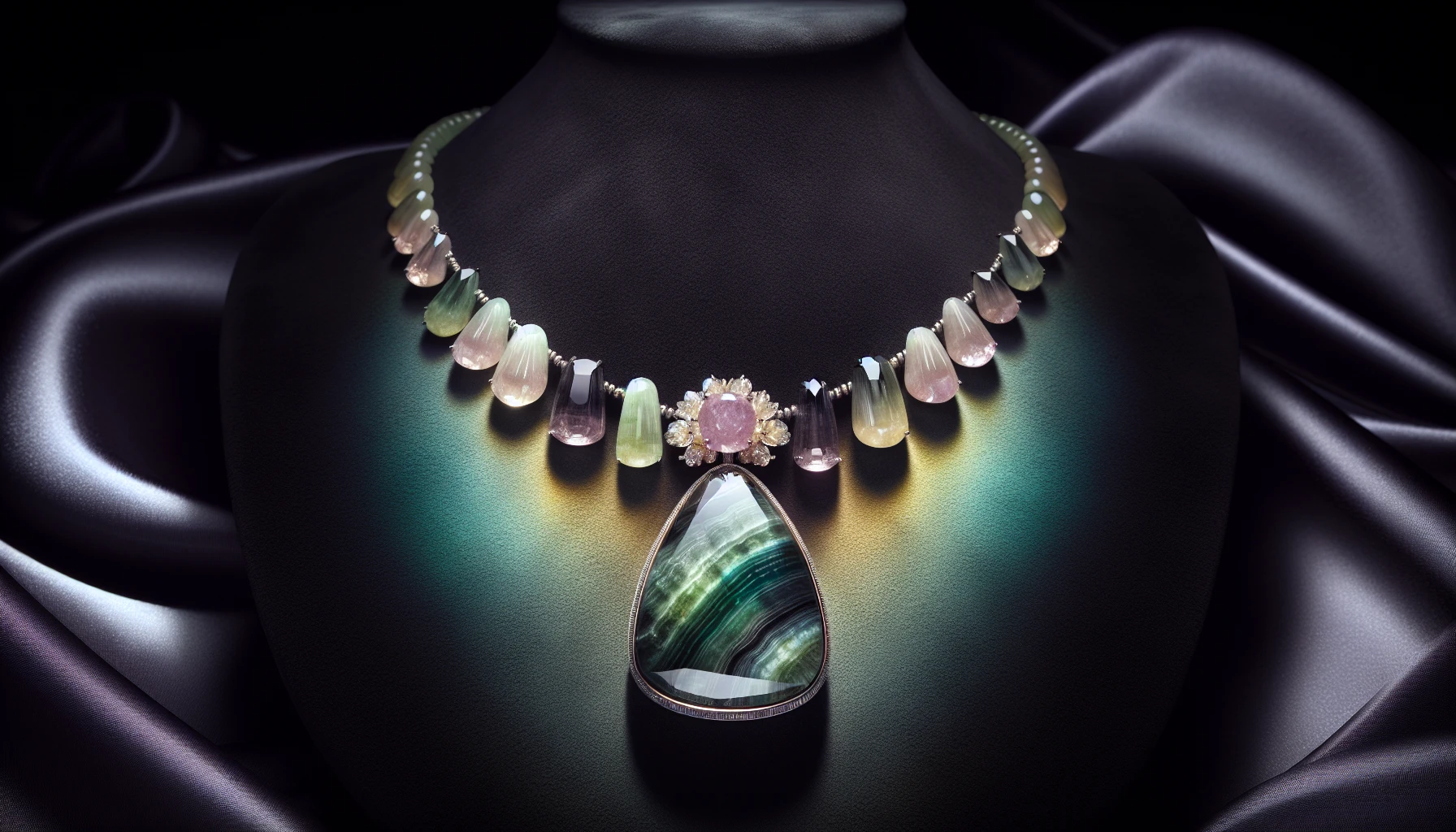
Wearing Diaspore jewelry communicates elegance, sophistication, and an appreciation for distinctiveness and mystery. Diaspore rings are especially popular, but it is important to choose a protective setting to ensure durability and longevity. The captivating colour-changing properties of Diaspore gemstones symbolize transformation and adaptability, making them a perfect choice for those who seek to embrace the unknown and showcase their refined taste. Commissioning a custom ring featuring diaspore is an appealing way to highlight the gemstone's unique qualities and craftsmanship.
Let’s uncover some fun and fascinating facts about this rare gemstone before moving on to care and maintenance.
7 Fun Facts About This Extremely Rare Gemstone
-
Thermochromism: Besides its well-known pleochroic properties (colour change with different viewing angles), Diaspore can exhibit thermochromic behaviours. This means its colour can change slightly when exposed to different temperatures. While this is not as pronounced as its pleochroic changes, it's a fascinating aspect that adds to its allure.
-
Historical Discovery: The first official discovery of diaspore occurred in 1801 in the Russian Urals, where locals called it ‘glandular kyanite.'
-
Historical Confusion: Initially, when Diaspore was discovered in the early 19th century, it was often mistaken for other gemstones because of its colour-changing properties. Its ability to resemble other stones, such as sapphire or tanzanite, under certain lighting conditions led to several misidentifications in its early history.
-
Name Origin: Fun fact—the name “Diaspore” comes from the Greek diaspeirein, meaning “to scatter” or “disperse.” This refers to the mineral's tendency to disintegrate or scatter when heated, which is a unique physical property that inspired its name.

-
Electrical Properties: Diaspore has unique electrical properties. It's a pyroelectric material, meaning it can generate a temporary voltage when heated or cooled. This property is uncommon in most gemstones, adding a scientific edge to its mystical appeal.
-
Rare Large Crystals: While Diaspore is available in various sizes, high-quality, large crystals are extremely rare. Crystals over 5 carats, especially those that exhibit strong colour change and clarity, are considered exceptionally rare and valuable.
-
Fluorescence: Some Diaspore specimens fluoresce weakly under UV or fluorescent light. In addition, certain specimens may appear pearly on cleavage surfaces, enhancing their visual appeal and making them stand out among other gemstones.
-
Geological Rarity: The conditions required to form Diaspore are specific and rare. Diaspore forms in bauxite deposits under very high-pressure and temperature conditions. This geological rarity contributes to its overall scarcity and value.
-
Cultural Significance: In some cultures, Diaspore is believed to have protective properties, especially against negative energies and bad luck. It's sometimes used in amulets and talismans for this purpose.
-
October Birthstone Alternative: Diaspore is sometimes considered an alternative birthstone for October, celebrated for its remarkable colour-changing properties and rarity.
These unusual facts about Diaspore highlight its uniqueness as a gemstone and a subject of scientific and cultural interest.
Now that you know what makes diaspore so special, let’s learn how to care for your diaspore jewelry to keep it looking its best.
Caring for Your Diaspore: Maintenance Tips
Proper care is essential to maintain the striking beauty and shine of your Diaspore jewelry. Below are best practices for cleaning, storing, and wearing diaspore jewelry.
Cleaning Diaspore
Follow these steps to clean your diaspore jewelry:
-
Create a cleaning solution of lukewarm water and non-abrasive dish soap.
-
Soak the jewelry for a few minutes.
-
Gently scrub it with a soft toothbrush.
-
Rinse thoroughly with water afterward to keep your Diaspore looking its best.
-
Rinse the diaspore in lukewarm water, then carefully pat it dry with a microfiber cloth.
Avoid using ultrasonic and steam cleaners on diaspore.
Storing Diaspore
-
Store diaspore jewelry separately to prevent scratches.
-
Keep it away from harsh chemicals and extreme temperatures.
-
Pendants and earrings are considered safer options for wearing Diaspore jewelry.
Wearing Diaspore Jewelry
-
Use a protective setting, such as a bezel setting or a low-set stone in a halo, to help prevent scratches and damage.
-
Remove your Diaspore jewelry before engaging in high-impact activities or working with harsh chemicals to avoid potential damage.
With proper care, your diaspore jewelry will remain a stunning and cherished piece for years to come.
Next, let’s look at the market for diaspore and its availability for collectors and jewelry lovers.
Market and Availability
The market for diaspore gems is as exclusive as the gemstone itself, with Turkish diaspore leading the way in desirability and value. Gem-quality diaspore is exceptionally rare, and the limited supply of faceted stones with strong colour change makes them highly sought after by collectors and jewelry designers alike. High-quality gems like Zultanite or Csarite are pricey, with Zultanite retailing from $500 to $10,000 per carat. The price of diaspore can vary widely, influenced by factors such as clarity, colour intensity, cut, and carat weight. Stones that display the best colour change and are eye-clean command the highest price for diaspore, especially when set in custom rings or elegant earrings. For example, in a notable jewelry set, two-thirds of its total value was attributed to the Sultan's Shield gemstone, highlighting the premium placed on exceptional diaspore gems.
As interest in unique and exotic gemstones grows, diaspore jewelry is becoming increasingly popular. Discerning buyers are drawn to the beauty and individuality of diaspore rings, earrings, and other pieces, appreciating the gemstone’s ability to transform under different lighting conditions. The demand for faceted diaspore, particularly from Turkish sources, continues to rise, making high-quality stones even more valuable.
Despite sourcing and pricing challenges, diaspore remains a captivating choice for those seeking a rare gemstone that stands apart. Its combination of rarity, colour change, and natural beauty ensures that diaspore gems will continue to enchant collectors and jewelry lovers for years to come.
Now, let’s explore the metaphysical properties that have made diaspore a favourite in spiritual and healing circles.
Diaspore Metaphysical Properties

Diaspore is believed to possess a range of metaphysical properties, making it a subject of interest in various spiritual and healing contexts. Colourless diaspore gems are valued for their transparency and are sometimes used in metaphysical practices for their clarity and purity.
Adaptability and Change
-
Diaspore encourages adaptability and helps manage changes gracefully. It's believed to help its wearer adjust to new situations and environments, making it a beneficial stone for those undergoing significant life transitions.
Emotional Healing
-
This gemstone is often associated with emotional healing. It's thought to help overcome past trauma and provide comfort during emotional distress. Diaspore is believed to help release repressed emotions and facilitate emotional growth.
Mental Clarity and Focus
-
Diaspore is also credited with enhancing mental clarity and focus. It's said to help clear the mind of confusion and aid concentration, making it a useful stone for students and professionals alike.
Enhancing Intuition
-
Some believe that Diaspore can help open up and enhance intuitive abilities. It's thought to stimulate the third eye chakra, enhancing psychic awareness and spiritual insight.
Energy Balancing
-
Diaspore is also seen as a stone that can help balance energy within the body. It's believed to align the physical and spiritual realms, fostering harmony and inner peace.
Creativity and Inspiration
-
This gemstone is often associated with creativity and inspiration. It's thought to encourage creative thinking and help find innovative solutions to problems.
Physical Healing Properties
-
While not as commonly noted for its physical healing properties, some practitioners believe diaspore gems can aid in detoxifying the body and supporting the healing of ailments related to the nervous system and brain.
Connection with Nature
-
Diaspore also fosters a deep connection with nature and the Earth. It's believed to help understand the natural cycles of life and appreciate the beauty of the natural world.
As with all gemstones, while many believe in and have experienced these metaphysical properties, they are not scientifically proven and should not replace professional medical advice or treatment. Gemstones like diaspore are often used as complementary therapies, offering spiritual and emotional support alongside traditional medical treatments.
With a holistic view of diaspore’s properties, let’s address some of the most frequently asked questions about this remarkable gemstone.
Frequently Asked Questions
How rare is diaspore?
Diaspore is incredibly rare; its light brownish colour makes it difficult to sell, despite large quantities in Turkey. Many diaspore specimens are found in brown or gray hues, which are less desirable than the more prized colour-changing varieties. It may not be the most sought-after gemstone, but its durability makes it an ideal choice for jewelry.
Where is diaspore found?
Diaspore is found deep in the mountainous region of Anatolia, Turkey, and it boasts an amazing optical property. Turkish diaspore can display a range of hues, including greenish-gray and yellow-green, with colour-change diaspore especially prized for its dramatic shifts. Diaspore is found in metamorphosed limestones, chloritic schists, and altered igneous rocks, as well as in bauxite deposits. This “colour-change” effect shifts from yellowish-green to purplish-pink depending on the light source. Gem-quality diaspore over five carats is extremely rare!
What is diaspore used for?
Diaspore is a powerful crystal that stimulates the thymus, helps boost memory, reduces brain fog, and even alleviates headaches caused by blocked chakras. It's a great tool for tackling physical aging and cell degeneration.
How can you tell if diaspore is real?
You can tell if a diaspore is real by examining if it changes colour under incandescent light—an expected colour change is a key indicator of genuine diaspore. If it does not change, it is likely to be an authentic diaspore. Lab-grown stones also have similar Refractive Index, Gravity, Hardness and heat transfer properties as natural stones.
What causes the colour change in Diaspore?
Dazzling Diaspore gemstones reveal their true beauty through stunning colour-changing effects, driven by their pleochroic properties and the presence of impurities such as iron, manganese, titanium, and chromium. For more details, trace elements interact with the crystal structure, influencing how light is absorbed and reflected. At the same time, pleochroism causes the gemstone to display different colours when viewed from various angles, resulting in the remarkable colour change.
Conclusion and Resources
Diaspore stands as a testament to nature’s artistry—a gemstone whose rarity, chameleon-like colour change, and scientific intrigue set it apart among rock-forming minerals. Its journey from deep within bauxite, igneous, and metamorphic deposits to the hands of collectors and jewelry lovers is marked by both geological complexity and aesthetic wonder. Turkish diaspore, in particular, has captured the world’s attention for its exceptional gem quality and dramatic colour shifts, making it a prized material in the jewelry market.
What truly distinguishes diaspore is not just its beauty, but its scientific significance. The mineral’s crystal structure, refined using advanced techniques such as electron density distribution and neutral-atom refinement, reveals intricate patterns and unique properties. The Greek word “diaspeirein”—meaning “to scatter”—aptly describes diaspore’s tendency to fall apart in a blowpipe flame, a trait that sets it apart as a distinct species among minerals. Its pearly cleavage and vitreous lustre, combined with its ability to scatter light and display a spectrum of colours, make each specimen a rare treasure.
For those considering adding diaspore to their collection or jewelry box, understanding the diaspore price is essential. Gem-quality diaspore, especially Turkish material from the İlbir Mountains, commands a premium, with prices ranging from $70 to $900 per carat depending on clarity, cut, and carat weight. Trade names like Zultanite, Csarite, and Ottomanite refer to specific varieties of Turkish diaspore, each with its own allure and market value.


