

Grandidierite gemstone is one of the world’s rarest and most captivating minerals, celebrated for its mesmerizing blue-green hues, exceptional rarity, and profound metaphysical significance. This comprehensive guide covers everything collectors, jewelry enthusiasts, and those interested in gemstone meanings need to know about grandidierite—including its metaphysical properties, symbolic meanings, history, and mythology. Whether you’re seeking a unique addition to your collection, a meaningful stone for custom jewelry, or simply want to understand why grandidierite matters, this article will illuminate its beauty, rarity, and enduring significance.
What is Grandidierite? Grandidierite is a rare mineral first discovered in 1902 in southern Madagascar. Miners stumbled across the mineral in Madagascar, leading to its recognition as a significant find. It is a magnesium-aluminum borosilicate stone, primarily found in shades of blue, green, or blue-green, with its colour often influenced by iron impurities. One of its most remarkable features is its strong trichroic pleochroism—meaning it can display blue-green colours and three different colours depending on the viewing angle: dark blue-green, colourless, or dark green. The colours, depending on the angle and iron content, make grandidierite especially unique among gemstones. Before summer 2015, gem-quality grandidierite crystals large enough to be faceted were almost unheard of.
Introduction to Grandidierite
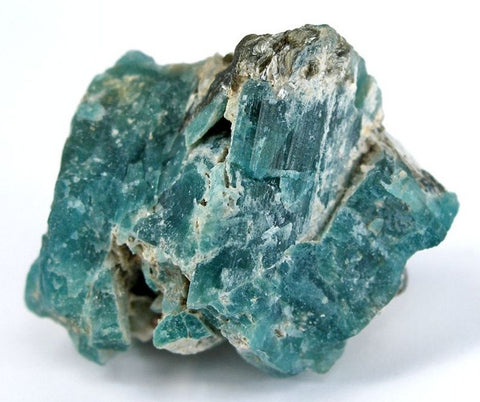
Grandidierite is an extremely rare mineral that has captivated gem enthusiasts and collectors since its discovery in 1902. This gemstone quickly gained recognition for its mesmerizing blue-green colours and unique optical effects. As a magnesium aluminum borosilicate, grandidierite’s vibrant hues—ranging from pale aqua to deep, saturated neon blues and greens—result from its distinctive chemical composition and the presence of iron and manganese impurities. Its rarity, beauty, and metaphysical significance make it a true treasure for collectors, jewelry lovers, and anyone interested in the deeper meanings of gemstones. The amazing qualities of grandidierite—its breathtaking colour, exceptional brilliance, and rarity—continue to fascinate and inspire both collectors and jewelry enthusiasts alike.
Grandidierite’s allure extends beyond its appearance. Its scarcity and high value have made it a coveted choice for custom jewelry, while its metaphysical properties attract those seeking spiritual growth and emotional balance. In this article, we’ll explore grandidierite’s physical and metaphysical properties, its fascinating history, and why it stands out as one of the world’s most significant gemstones.
Ready to discover what makes grandidierite so extraordinary? Let’s begin by exploring its unique gemstone properties.
Grandidierite Gemstone Properties
Grandidierite is recognized for its high transparency, striking blue-green hue, and remarkable durability. Its unique crystalline structure gives rise to pleochroism—a phenomenon in which a gemstone displays different colours when viewed from different angles.
Physical and Optical Properties:
-
Hardness: Grandidierite has a hardness of 7.5 on the Mohs scale, making it harder than similar minerals such as lazulite. This makes it highly resistant to scratching and well-suited for jewelry, despite challenges in cutting due to its cleavage.
-
Colour: The blue-green colour is a signature feature, often attributed to its chemical composition.
-
Transparency: High-quality grandidierite is transparent to translucent.
-
Pleochroism: Displays different colours (blue, green, or colourless) depending on the viewing angle.
Chemical Composition:
-
Grandidierite is a magnesium (Mg) and iron (Fe) bearing mineral. The amount of Fe present influences its blue-green colour and other physical and optical properties.
Pleochroism
Grandidierite exhibits strong trichroic pleochroism, meaning it can appear in three distinct colours depending on the viewing angle: dark blue-green, colourless, or dark green. The gemstone can show different colours depending on the viewing angle and the amount of iron content present, making its appearance highly variable and unique. This optical effect is due to the unique orientation of its internal crystal structure, which refracts light differently based on the angle. Pleochroism is a defining characteristic of grandidierite and contributes significantly to its visual appeal and value.
Physical and Optical Properties
-
Chemical Composition: Magnesium aluminum borosilicate (formula varies by source)
-
Colour: Primarily blue, green, or blue-green; colour influenced by iron impurities
-
Transparency: Opaque, translucent, and transparent forms exist; transparent grandidierite is especially rare and valuable
-
Hardness: 7.5 on the Mohs scale, making it suitable for everyday jewelry
-
Lustre: Vitreous, giving the stone a radiant shine
-
Rarity: Among the world’s rarest gemstones, with high-quality material extremely scarce
Popular Cuts
Round cuts are popular for grandidierite, as they enhance the stone’s optical effects and dispersion. Grandidierite cabochons are especially prized for their rarity and value, often used in unique jewelry pieces or as substitutes for traditional birthstones due to their distinctive appearance and carat weight. Other favoured cuts include oval, cushion, and occasionally pear-shaped, each chosen to maximize the gem’s pleochroic display and colour saturation.
Metaphysical Properties
Grandidierite is highly valued for its metaphysical influence on chakras, enhancement of communication and decision-making, and use in meditation to improve relationships and family unity.
Now that we've explored its physical and optical properties, let's delve into the fascinating history and facts about grandidierite.
Grandidierite’s Rarity, Value, and Use in Custom Jewelry
Grandidierite is widely recognized as one of the rarest gemstones in the world, frequently making top ten lists of rare gems. Its value is primarily driven by this rarity, with transparent to translucent faceted stones commanding prices from $10,000 to over $26,000 per carat for top-quality pieces. The gemstone is sourced primarily from Madagascar, with additional finds in Sri Lanka and Norway, but gem-quality material remains extremely scarce and is predominantly from Madagascar. The discovery of new deposits in Madagascar and Sri Lanka has created new sources of high-quality grandidierite, increasing market availability of more transparent and faceted specimens for jewelry use.
This rarity and the gem’s unique bluish-green to teal hues make grandidierite highly desirable for custom jewelry. Collectors and jewelry lovers are drawn to its exclusivity and the opportunity to own a truly unique piece. Grandidierite’s durability (Mohs 7.5) makes it suitable for rings, pendants, and other jewelry worn daily. When creating new jewelry collections, designers often seek out grandidierite for its distinct colour and rarity. However, it’s important for collectors and investors to determine whether grandidierite’s scarcity, quality, and availability justify investment, as these factors can significantly affect long-term value. The label 'rare' is often used in the gemstone market, but accurate labelling is crucial—misleading labels can influence perceived rarity and market value. For those interested in purchasing, wholesale pricing for grandidierite can offer significant savings compared to retail, making it an attractive option for both collectors and resellers.
Grandidierite is sometimes used as a rare alternative to more common stones like aquamarine or turquoise, offering a unique choice for those seeking something truly special.
With its rarity, value, and appeal for custom jewelry, grandidierite stands as a gemstone of distinction. Next, let’s explore the rich history and intriguing facts behind this remarkable mineral.
History and Facts about Grandidierite
Grandidierite’s name may be a mouthful, but its history is even more intriguing. The gemstone is named after Alfred Grandidier, a French explorer who extensively studied Madagascar. It made sense to honour Grandidier in this way, given his deep connection to Madagascar’s natural history and geography. The mineral was first discovered by miners in the Cap Andrahomana region of southern Madagascar—the type locality and a key region for gem-quality finds. Madagascar’s political and natural history (politique de Madagascar) has played a significant role in the discovery and scientific study of rare minerals like grandidierite. Grandidierite is closely related to ominelite, the Fe analogue of grandidierite, which shares a similar structure but with iron replacing magnesium. A recently discovered gemstone, blue ominelite, further highlights ongoing advancements in gemological research and the uniqueness of new finds related to grandidierite.
Grandidierite is often labelled ‘rare’ in the gemstone market due to its limited sources and unique blue-green colour. As an example, grandidierite is frequently compared with other rare gemstones, such as tanzanite and benitoite, to illustrate how rarity is defined and perceived in the industry.
In terms of market value, grandidierite is advertised as one of the rarest and most valuable gemstones, which significantly influences its perceived worth among collectors and enthusiasts. Due to its perfect cleavage and brittleness, grandidierite jewelry should be set in protective settings to prevent damage.
Grandidierite's Discovery & History: Alfred Grandidier
This gemstone was first discovered in southern Madagascar in 1902. Since then, it has gained popularity, primarily because of its gem quality, rarity, and distinctive coloration. Despite its century-old discovery, grandidierite remains one of the lesser-known gemstones, making it a unique choice for jewelry enthusiasts seeking something different.
Grandidierite Facts
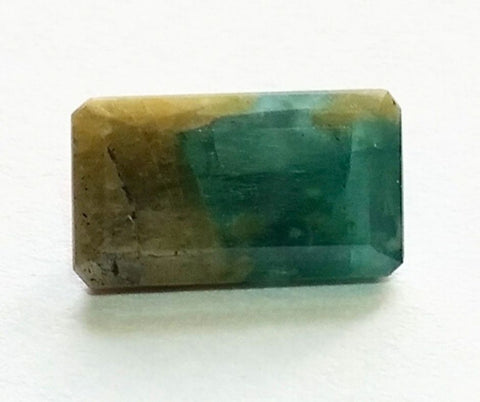
- Hardness: Grandidierite has a Mohs hardness of 7.5-8, making it suitable for jewelry. However, its cleavage properties mean it can split if struck, so it should be handled with care.
-
Extreme Rarity: Grandidierite is one of the world's ten rarest gemstones. This rarity, combined with its unique coloration, makes it highly sought after by collectors and gem enthusiasts. Grandidierite is classified as a 'rare mineral.'
-
Popular Cuts: Oval, cushion, and occasionally pear-shaped.
-
Named After an Explorer: Grandidierite was named in honour of French explorer and naturalist Alfred Grandidier. He is renowned for his extensive research on Madagascar, where the gemstone was first discovered.
-
Untreated Beauty: Unlike many gemstones in the market that undergo treatments to enhance their appearance, most grandidierite gems are sold untreated. This means their natural beauty shines through without any enhancements.
Not Just for Jewelry: While grandidierite is used in jewelry, its rarity and value mean that many high-quality specimens are kept as collector's pieces rather than being set into jewelry.
Where is Grandidierite mined?
While first discovered in Madagascar, grandidierite can also be found in select locations worldwide, including Sri Lanka and Norway. Each location imparts its own unique shade and quality to the rare gemstone. Grandidierite is a fairly uncommon stone.
Sustainability and Ethical Sourcing of Grandidierite Gemstones
Given the growing awareness of ethical sourcing, it's worth noting that grandidierite mining is often done by hand, minimizing environmental disruption. Efforts are ongoing to ensure that gemstone mining also provides fair wages and safe working conditions for miners. Additionally, methods for cleansing grandidierite are important for maintaining its energetic properties.
Having uncovered the history and essential facts about grandidierite, let’s move on to its vibrant colours and what makes them so special.
Grandidierite Colours
The primary allure of grandidierite lies in its colours. Ranging from a translucent light blue to a deep green, the gem can sometimes even take on a more transparent light yellow or colourless form. The exact shade often depends on its origin, the minerals present during its formation, and the cut given to the stone.
Blue-Green to Deep Green
The most sought-after and common colour of grandidierite is a rich blue-green to deep green. This shade is reminiscent of tropical oceans and lush rainforests, making it highly prized in the jewelry market. The depth of the colour can vary based on the trace elements present during the gemstone's formation.
Translucent Blue
Grandidierite can also be found in shades of translucent blue, ranging from a light sky blue to a deeper, more saturated hue. This variant is particularly captivating when the stone is exposed to light, revealing its stunning clarity and lustre.
Near-Colourless to Pale Blue
Some grandidierite specimens exhibit a near-colourless appearance with just a hint of pale blue. While these are less common than the deep blue-green variants, they are equally captivating due to their crystal-clear transparency.
Pleochroism
One of the most fascinating aspects of grandidierite is its pleochroic nature. As previously mentioned, pleochroism is a phenomenon in which a gem displays different colours when viewed from different angles. Grandidierite’s trichroic pleochroism means it can show dark blue-green, colourless, or dark green, all within a single gemstone.
Factors Influencing Colour
Several factors influence the specific colour of grandidierite:
-
Origin: The location where grandidierite is mined can influence its colour. For instance, stones from Madagascar might differ in hue from those found in Sri Lanka.
-
Trace Elements: The presence of certain minerals and elements during the gem's formation can impact its colour. For instance, the presence of iron might deepen the blue hue.
-
Cut: The way a grandidierite gem is cut can also influence its visible colour. A skilled gem cutter will orient the stone to best showcase its pleochroic properties, maximizing its visual appeal.
Grandidierite's unique colour palette, combined with its rarity and pleochroism, truly sets it apart in the world of gemstones. Whether set in jewelry or kept as a collector's piece, its hues are sure to captivate and enchant.
With a deeper understanding of grandidierite’s colours, let’s explore the meanings and symbolism associated with this extraordinary gemstone.
Grandidierite's Meaning and Symbolism
Grandidierite Spiritual Meaning
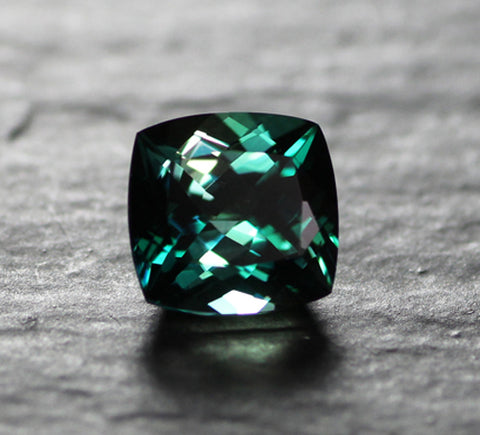
In spiritual circles, grandidierite is known to enhance intuition and stimulate higher consciousness. It’s believed to connect the mind and heart, bridging the gap between emotions and logic.
Symbol of Peace and Tranquillity
The blue-green hues of grandidierite often evoke feelings of calm and serenity, much like the tranquil waters of a clear ocean or a serene lake. Thus, it’s seen as a symbol of peace and tranquillity in many cultures, especially those that value the natural beauty of water bodies and their calming influence.
Growth and New Beginnings
The vibrant green shades of grandidierite evoke lush vegetation and thriving forests. In many cultures, green represents growth, renewal, and life, making grandidierite a symbol of new beginnings, growth, and prosperity.
Intuition and Higher Consciousness
Within spiritual circles, grandidierite is believed to stimulate intuition and higher consciousness. Its blue shades, which are associated with the throat chakra, are believed to enhance communication and self-expression. Grandidierite is especially helpful for opening the throat chakra, which can improve self-expression and confidence in social situations. This makes the gem a favourite among those seeking to deepen their spiritual practices and communication skills. Additionally, grandidierite is said to influence the heart chakra, promoting compassion, generosity, love, and healing.
Emotional Healing and Balance
The harmonious blend of blue and green in grandidierite is also interpreted as a balance between the mind (blue) and the heart (green). It’s believed to bridge the gap between emotions and logic, helping individuals heal from past traumas and achieve emotional balance. Many users report a sense of satisfaction when working with grandidierite for emotional well-being, noting its positive impact on their overall emotional state.
Fostering Genuine Relationships
In some cultures, grandidierite’s transparent quality symbolizes purity of intent and genuineness in relationships. It’s seen as a stone that fosters trust, understanding, and clear communication between individuals.
Connection with Nature
Given its natural colours that mirror Earth’s landscapes, grandidierite is often seen as a stone that strengthens one’s connection with nature. It’s believed to ground individuals, helping them feel more attuned to the natural world and its rhythms.
While these interpretations and symbolic meanings stem from grandidierite’s colours, properties, and the experiences of those who wear or meditate with it, it’s essential to note that much of gemstone symbolism is subjective. Different cultures or individuals might have unique personal experiences or associations with the stone. However, the general consensus is that the grandidierite stone, with its mesmerizing colours and rarity, evokes feelings of wonder, peace, and a deep connection with the world’s natural beauty.
Having explored the meanings and symbolism of grandidierite, let’s now examine its reputed healing properties and how it is used in crystal therapy.
Grandidierite Healing Properties
Grandidierite, like many other gemstones, is sometimes believed to possess healing properties. However, it's important to emphasize that these beliefs are rooted in metaphysical traditions and anecdotal accounts. Scientific evidence supporting the physical healing properties of gemstones, including grandidierite, is limited. Nonetheless, within alternative healing and crystal therapy communities, grandidierite is believed to offer several benefits:
-
Enhancing Vision and Eye Health:
Given its striking blue-green hue, grandidierite is sometimes associated with improving vision and overall eye health. Some believe that wearing or meditating with the stone can help alleviate eye strain, especially for those who spend prolonged hours in front of screens. -
Boosting Immune System:
Some practitioners believe that grandidierite can fortify the immune system, helping the body resist infections and recover more quickly from illness. -
Supporting Respiratory Health:
The gem's blue tones, which resonate with the throat chakra, are believed to benefit the respiratory system. Some users claim that grandidierite can assist with breathing difficulties and soothe throat-related ailments. -
Enhancing Cellular Regeneration:
Grandidierite's green shades, reminiscent of growth and renewal, are thought to support cell regeneration and healing. This makes it a favourite among those seeking to heal wounds, scars, or skin conditions. -
Relieving Pain:
Anecdotal accounts suggest that placing grandidierite on areas of discomfort or pain can provide relief. It's believed to have anti-inflammatory properties that can alleviate joint pain and muscle soreness. -
Balancing Electrolytes:
Some believe that grandidierite can help balance the body's electrolytes, ensuring proper hydration and preventing cramps or muscle spasms. -
Detoxifying the Body:
In metaphysical circles, grandidierite is sometimes seen as a detoxifying stone. It is believed to support the liver and kidneys in flushing out toxins and promoting overall internal cleansing.
Grandidierite is also considered a beneficial healing crystal, known to improve communication and stimulate the immune system.
While many individuals swear by the healing properties of gemstones, it's crucial to approach such beliefs with an open yet discerning mind. If someone is considering using grandidierite or any other gemstone for healing purposes, it should be a complementary approach, not a replacement for professional medical advice and treatment. Always consult with healthcare professionals when dealing with health concerns.
Chakra Healing with Grandidierite Stones: Throat Chakra
Aligned with the throat and heart chakras, grandidierite can help enhance communication and promote love and understanding. When used during meditation, it's believed to open these chakras, allowing for better self-expression and fostering deeper emotional connections. Additionally, grandidierite influences the heart chakra, promoting compassion, generosity, love, and healing.
With a clear understanding of grandidierite’s healing properties, let’s move on to the importance of certification when investing in this rare gemstone.
Grandidierite Certification
When investing in grandidierite jewelry, certification is key to ensuring you’re acquiring a genuine and high-quality gemstone. Certified grandidierite pieces are especially prized by collectors and jewellers, as their authenticity and characteristics have been verified by independent laboratories. The certification process involves a thorough evaluation of the gemstone’s colour, clarity, cut, and carat weight, as well as documentation of its origin and history. This detailed report not only confirms the stone’s identity but also enhances its value and desirability in the market. For anyone seeking to add grandidierite to their collection, choosing certified stones provides peace of mind and ensures that your jewelry is both beautiful and authentic.
Now that you know the importance of certification, let’s explore why grandidierite is a top choice for collectors and jewelry lovers.
Why Choose Grandidierite
Choosing grandidierite means embracing a gemstone that is as unique as it is beautiful. Its striking blue-green colours and exceptional clarity make it a stunning centrepiece for jewelry, especially pendants and rings that showcase its vibrant hues. Beyond its visual appeal, grandidierite is celebrated for its symbolism—representing resilience, mental clarity, and self-confidence. Its limited availability and high demand make it a valuable addition to any collection, with the potential for appreciation over time. Grandidierite’s durability ensures it can be worn and enjoyed daily, and caring for your gemstone is simple: just use a soft brush, mild soap, and warm water to keep it looking its best. Whether you’re a collector, a jewelry lover, or someone seeking a meaningful stone, grandidierite offers rarity, beauty, and lasting value.
Ready to add this extraordinary gemstone to your collection? Shop our selection of grandidierite jewelry and gemstones to find your perfect piece.
With all these qualities, it’s no wonder grandidierite is so highly prized. Let’s wrap up with a look at gemstone appreciation and frequently asked questions.
Gemstone Appreciation
Grandidierite is a rare mineral that truly deserves admiration for its unique qualities and storied past. Its discovery in Madagascar and subsequent naming after Alfred Grandidier have cemented its place in the annals of natural history. The gemstone’s captivating blue-green colours and remarkable pleochroism make it a standout in any jewelry collection, while its limited availability only adds to its allure. Highly prized by collectors and connoisseurs, grandidierite’s value continues to rise as more people discover its beauty and significance. Whether you’re just beginning your journey into the world of rare gems or are a seasoned collector, grandidierite is a gemstone that promises both aesthetic pleasure and a connection to the rich tapestry of Earth’s mineral treasures.
Ready to learn more? Explore the answers to common questions about grandidierite below.
Grandidierite FAQs
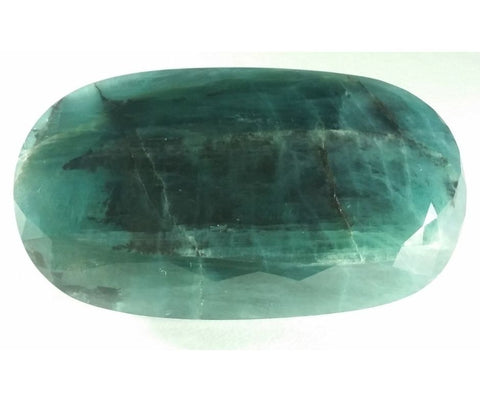
What is grandidierite?
Grandidierite is a fascinating gemstone that has captured the interest of gem enthusiasts and collectors alike. It is known for its unique bluish-green colour and strong trichroic pleochroism, which means it can appear different colours depending on the viewing angle. It was first discovered in Madagascar in 1902 and has since been found in other locations, such as Sri Lanka and Namibia. However, gem-quality grandidierite remains quite rare and is highly sought after.
Is grandidierite valuable?
Yes, grandidierite is considered one of the most valuable gemstones in the world due to its rarity and unique dark blue-green coloration.
How much is grandidierite worth?
The value of gem-quality grandidierite varies based on factors like colour, clarity, carat weight, and origin. High-quality grandidierite can range from $1,000 to $3,000 per carat or even more for particularly exceptional specimens. Top-quality transparent stones can fetch prices over $10,000 per carat, with some reaching $20,000 to $26,000 per carat.
Why is grandidierite so expensive?
Grandidierite's high price is attributed to its rarity, stunning blue-green hues, and high transparency. Since it's one of the rarest gemstones globally, high-quality pieces are especially sought after and command premium prices. Grandidierite is also classified as a rare stone.
What colour of grandidierite is most valuable?
The most valuable grandidierite exhibits a rich, translucent blue-green colour. The deeper and more vivid the colour, with minimal inclusions, the more valuable the gemstone.
What is the rarest colour of grandidierite?
While grandidierite is primarily known for its blue-green shades, near-colourless or pale blue variants are rarer and less common on the market.
How can you tell if grandidierite is real?
Identifying genuine grandidierite involves examining its strong trichroic pleochroism (displaying three distinct colours from different angles) and its specific gravity, which helps distinguish grandidierite from other gems such as lazulite. A certified gemologist can conduct tests, including refractive index measurements, to further differentiate grandidierite from similar blue-green gemstones and confirm its authenticity. Additionally, it’s wise to purchase grandidierite from reputable dealers who offer gem-quality material and provide an authenticity certificate.
How should you care for grandidierite jewelry?
Grandidierite is relatively hard, ranking between 7.5 and 8 on the Mohs scale, but handling it with care is still essential to prevent scratches or damage. Clean it with mild, soapy water and a soft brush. Avoid using ultrasonic or steam cleaners. When storing, keep it separate from other jewelry to prevent scratches. Additionally, cleanse grandidierite by smudging it with sage or placing it under moonlight to maintain its energetic properties.
What stones look similar to grandidierite?
Several gemstones might resemble grandidierite due to their blue-green coloration. Here’s a comparison table to help distinguish grandidierite from similar stones:
|
Gemstone |
Color Range |
Hardness (Mohs) |
Pleochroism |
Rarity |
Notable Features |
|---|---|---|---|---|---|
|
Grandidierite |
Blue-green, teal |
7.5–8 |
Strong trichroic |
Extremely rare |
High value, Madagascar origin |
|
Apatite |
Blue, green |
5 |
Weak to moderate |
Uncommon |
Softer, less valuable |
|
Blue Tourmaline |
Blue, green-blue |
7–7.5 |
Moderate |
Rare |
Electric blue shades |
|
Aquamarine |
Light blue, green |
7.5–8 |
Weak |
Common |
Transparent, less pleochroic |
|
Zircon |
Blue, green, colourless |
6–7.5 |
Strong (some stones) |
Uncommon |
High dispersion, brittle |
|
Lazulite |
Blue, blue-green |
5.5–6 |
Moderate |
Rare |
Opaque, less vivid color |
Grandidierite’s unique pleochroic properties and specific shades set it apart from these gems. Grandidierite is also a rare stone, known for its scarcity and special significance.


